

Characterization Techniques
Surface and Materials characterization equipment at the CPC:
Photoelectron Spectroscopy (PES). An ultra-high vacuum system equipped with X-ray and UV sources (from PRECAV) as energy excitation sources and an Omicron EA 125 hemispherical electron energy analyzer with a resolution of 20 meV. The system is also equipped with an ion sputter gun for depth profiling or contaminant removal.
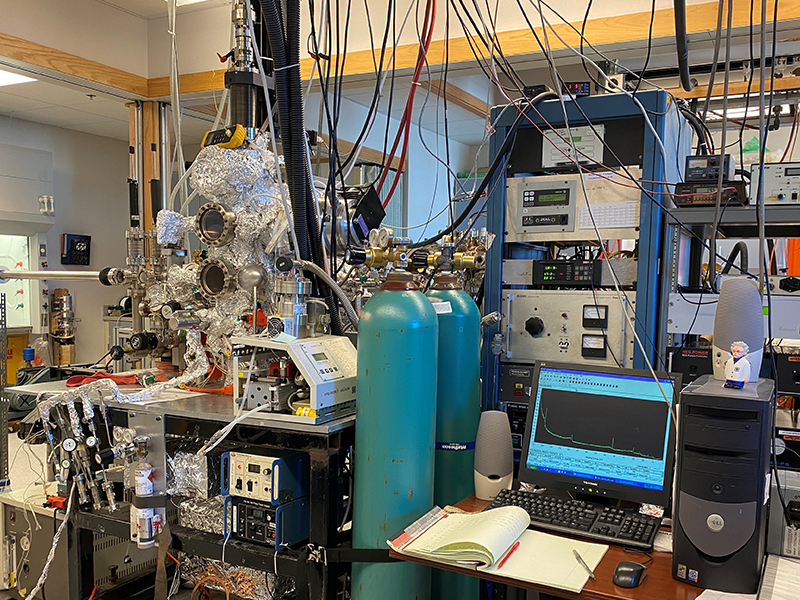
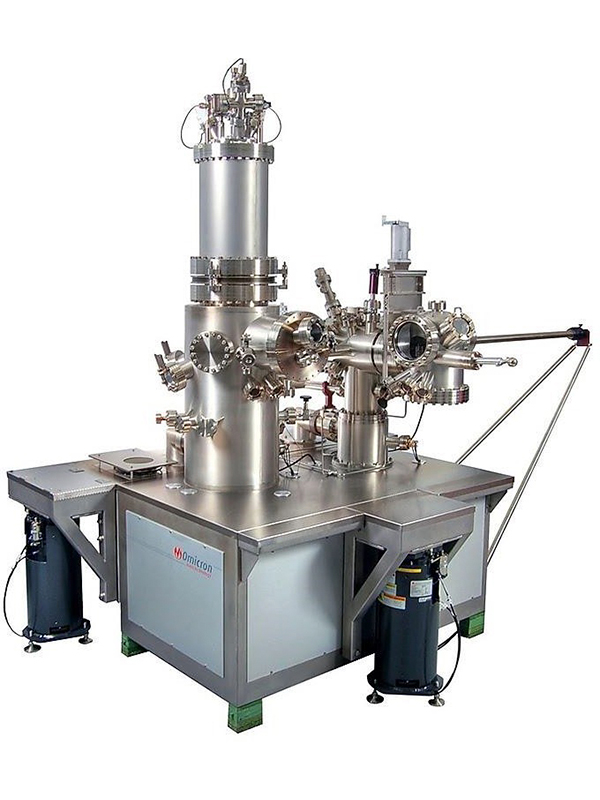
Low-Temperature Scanning Tunneling and Atomic Force Microscope (STM and AFM). An ultra-high vacuum chamber equipped with a prep chamber containing molecular evaporators, metal evaporators, ion sputter gun, LEED, and a sample manipulation stage with heating and cooling from 100K up to 1500K.
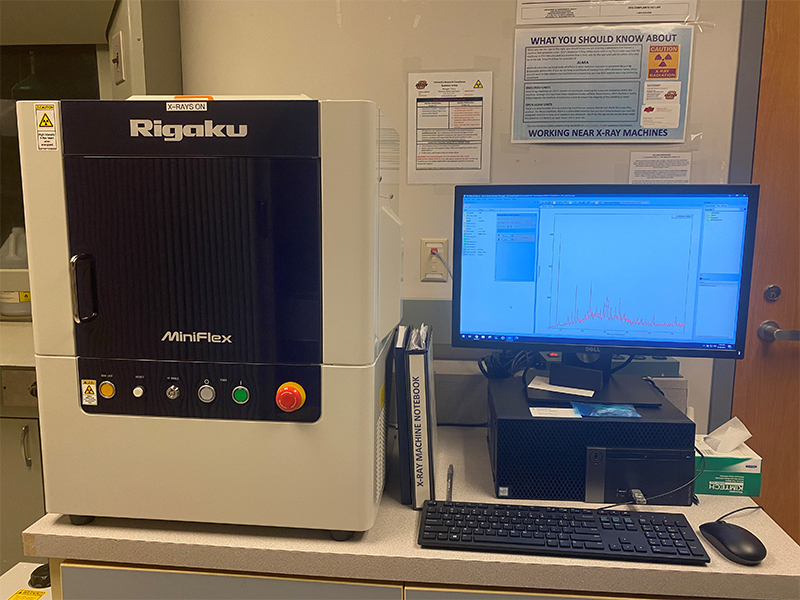
Benchtop Powder X-Ray diffraction (XRD) System. The system allows for qualitative and quantitative phase analysis for polycrystalline materials.
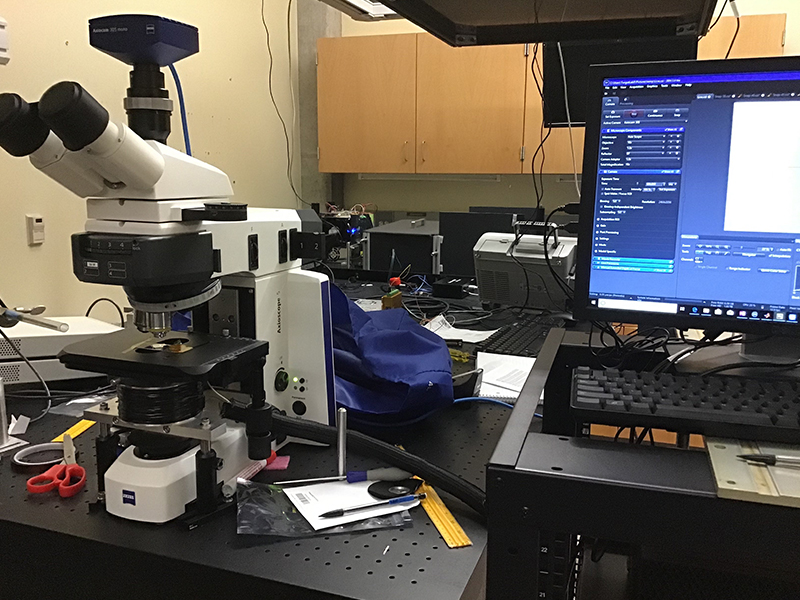
White-light MOKE Microscope
J.A. Woollam Variable Wavelength/Angle Ellipsometer (300-1700 nm)
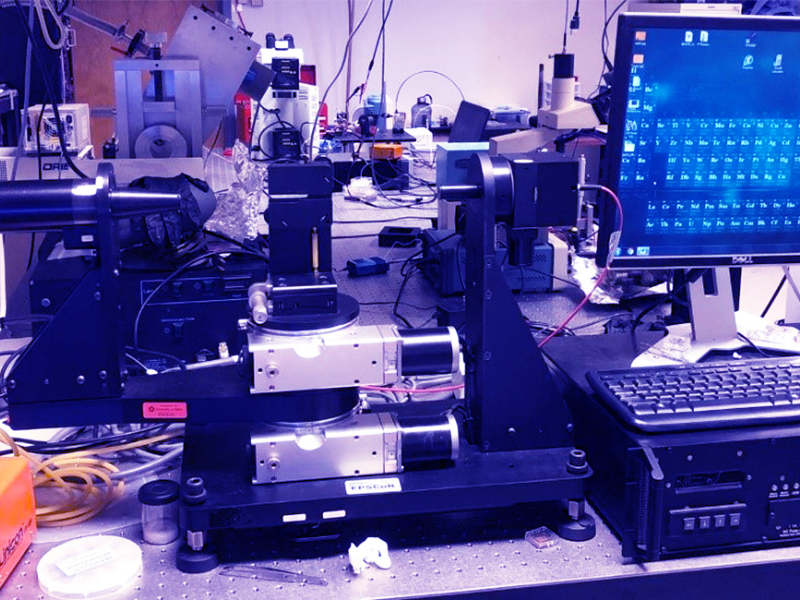
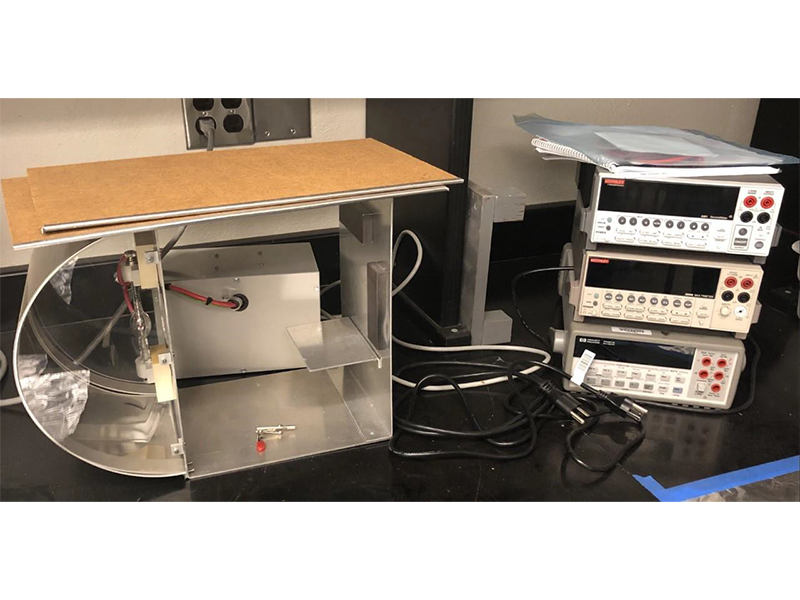
Custom Solar Simulator and Photovoltaic Device Characterization System. The photovoltaic characterization system is equipped with a Xe arc lamp and reflection concentrator along with micro-positioning probes and multiple source meters for characterizing solar-cell materials and/or device performance.
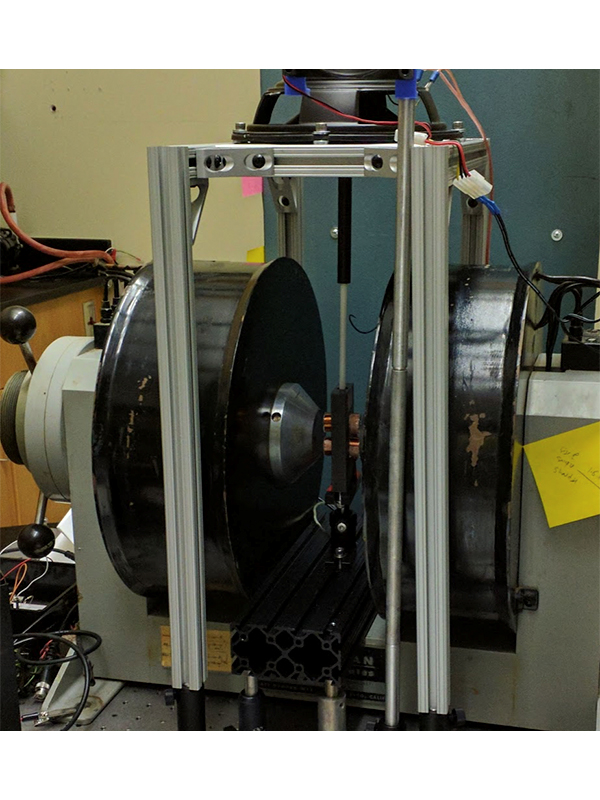
Vibrating Sample Magnetometer
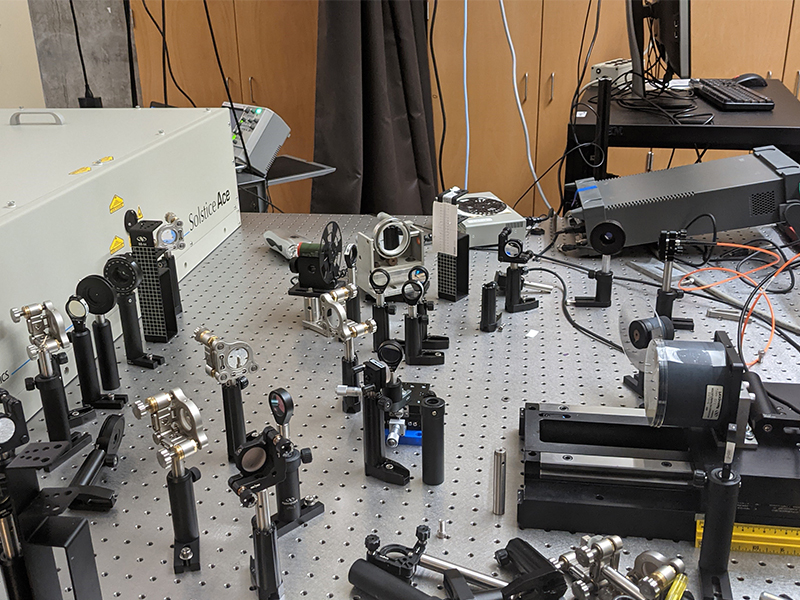
Transient Absorption Spectroscopy
Atomic Force Microscopy. EasyScan 2 atomic force microscope for substrate and sample terracing characterization. 220pm resolution, 100 um maximum scan area.
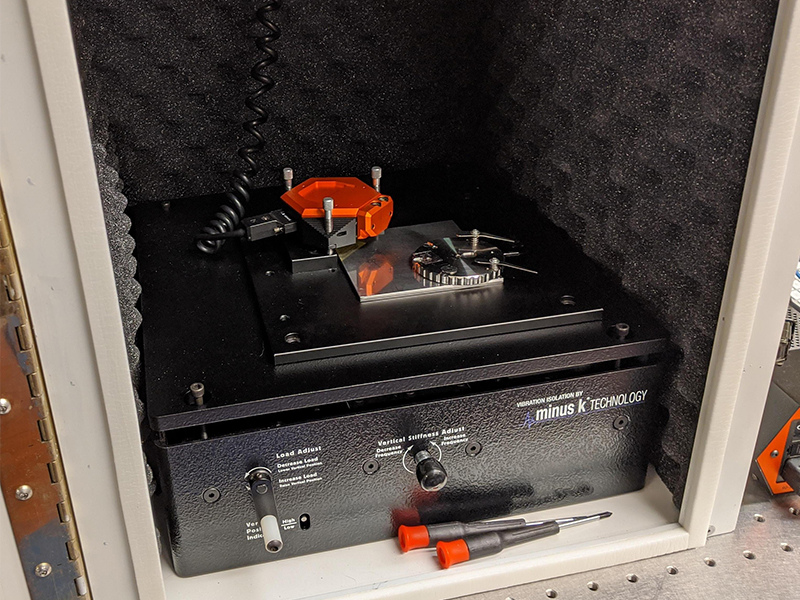
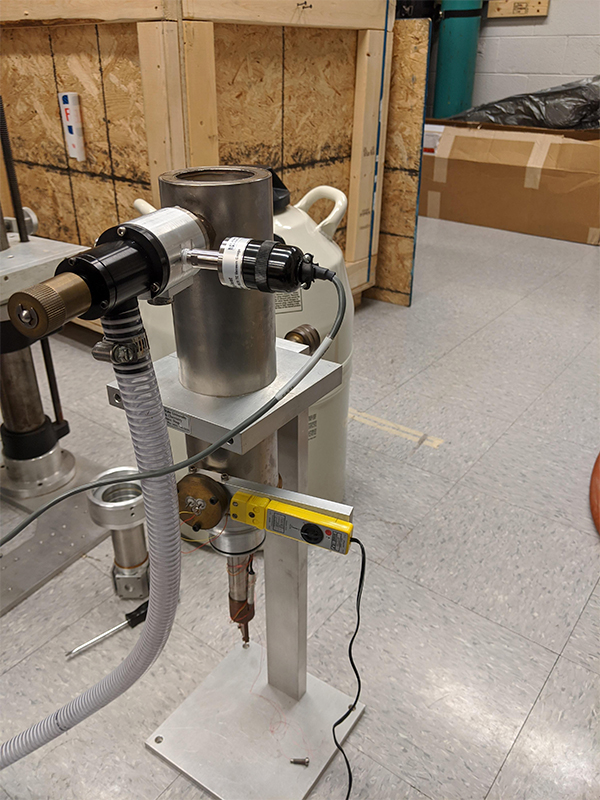
Electrical transport: Liquid nitrogen cryostat with a base temperature of 77 K with electrical feedthroughs with Keithley 2182A nanovoltmeter and 6220 nanoamp source for transport measurements.
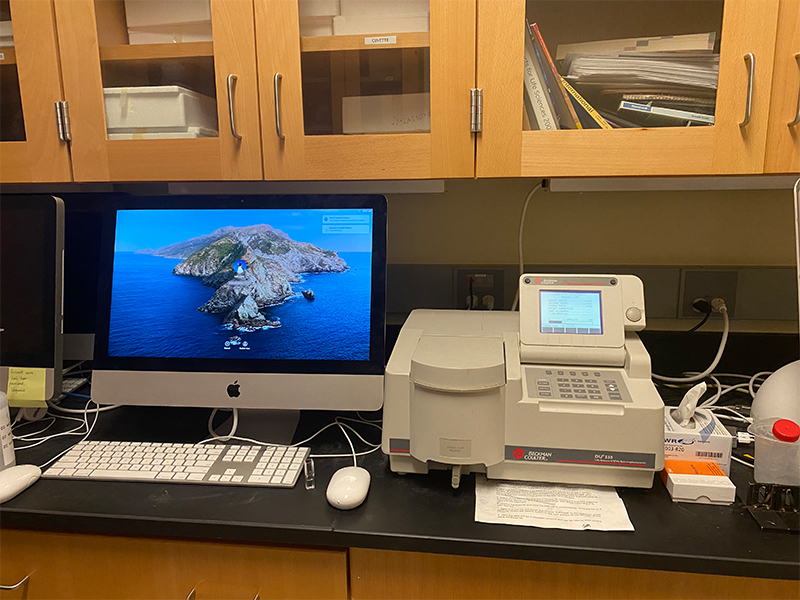
UV Vis Spectroscopy
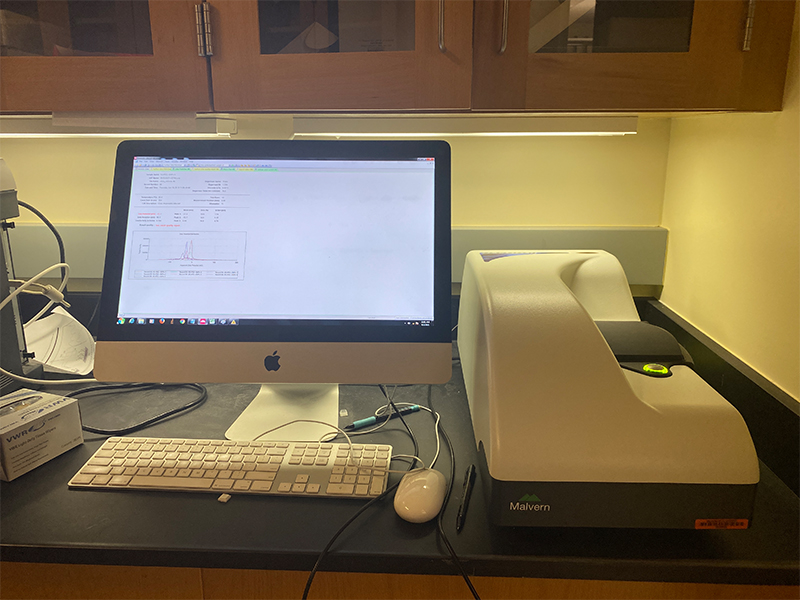
Nano ZetaSizer (ZS) for measuring the size particle of dispersed systems from sub-nanometer to several micrometers in diameter.
Fluorescence Microscopes
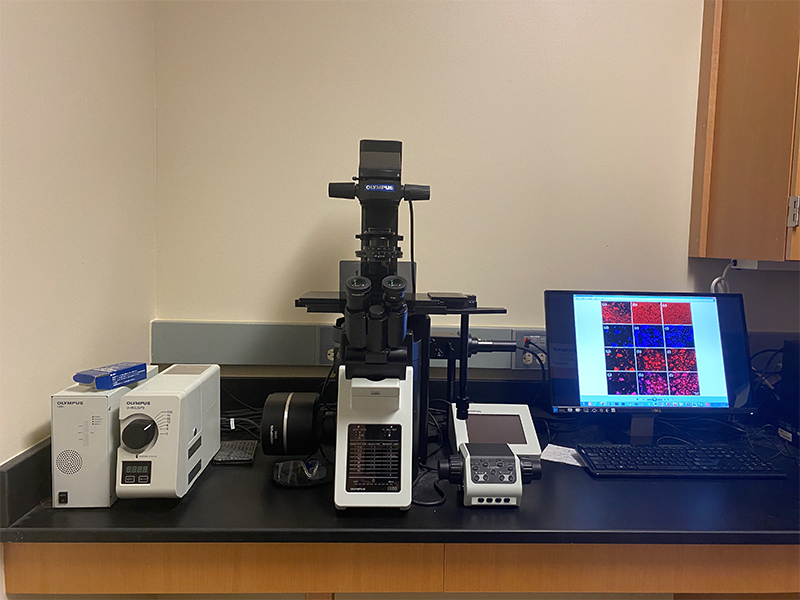
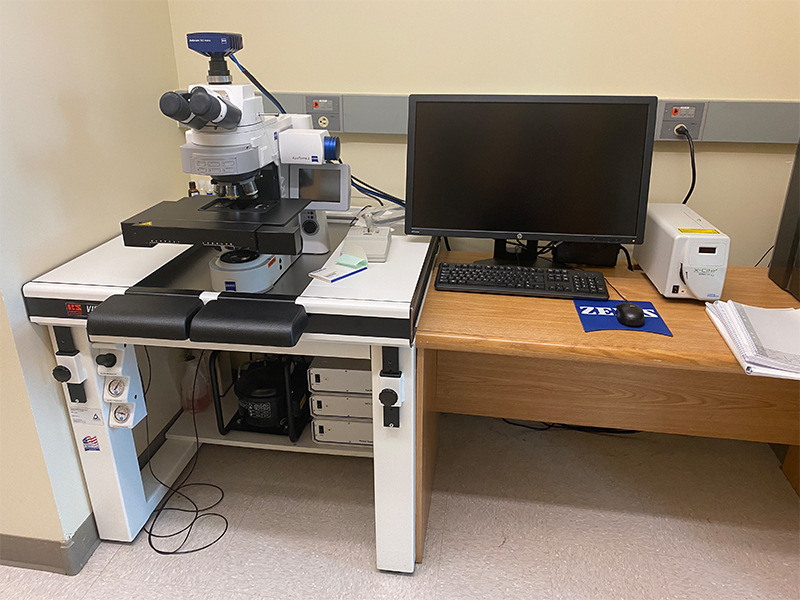
Not Pictured:
- Micro-Optical Spectroscopy Station
- Hall Effect Test Station
- Electro-Optic Test Station
- Electrical Transport Characterization
- Atomic Force Microscopy