Cadet Life
What's it like being a Cadet in the Cowboy Battalion?
Daily Events
Physical Training
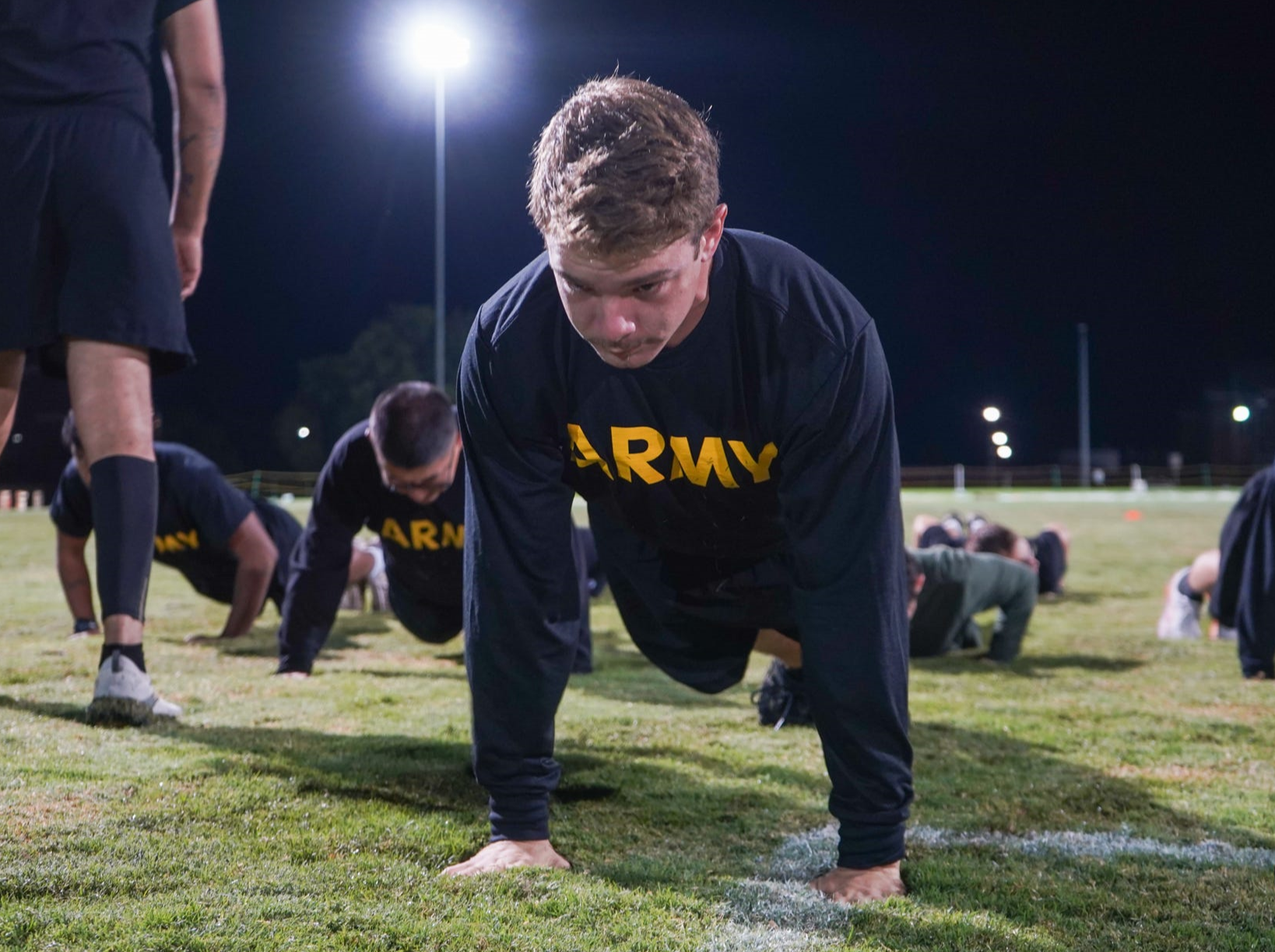
You will attend PT three days a week, Tuesday, Wednesday, and Thursday. You could be doing a platoon strength workout or going on a battalion run.
Classroom Instruction
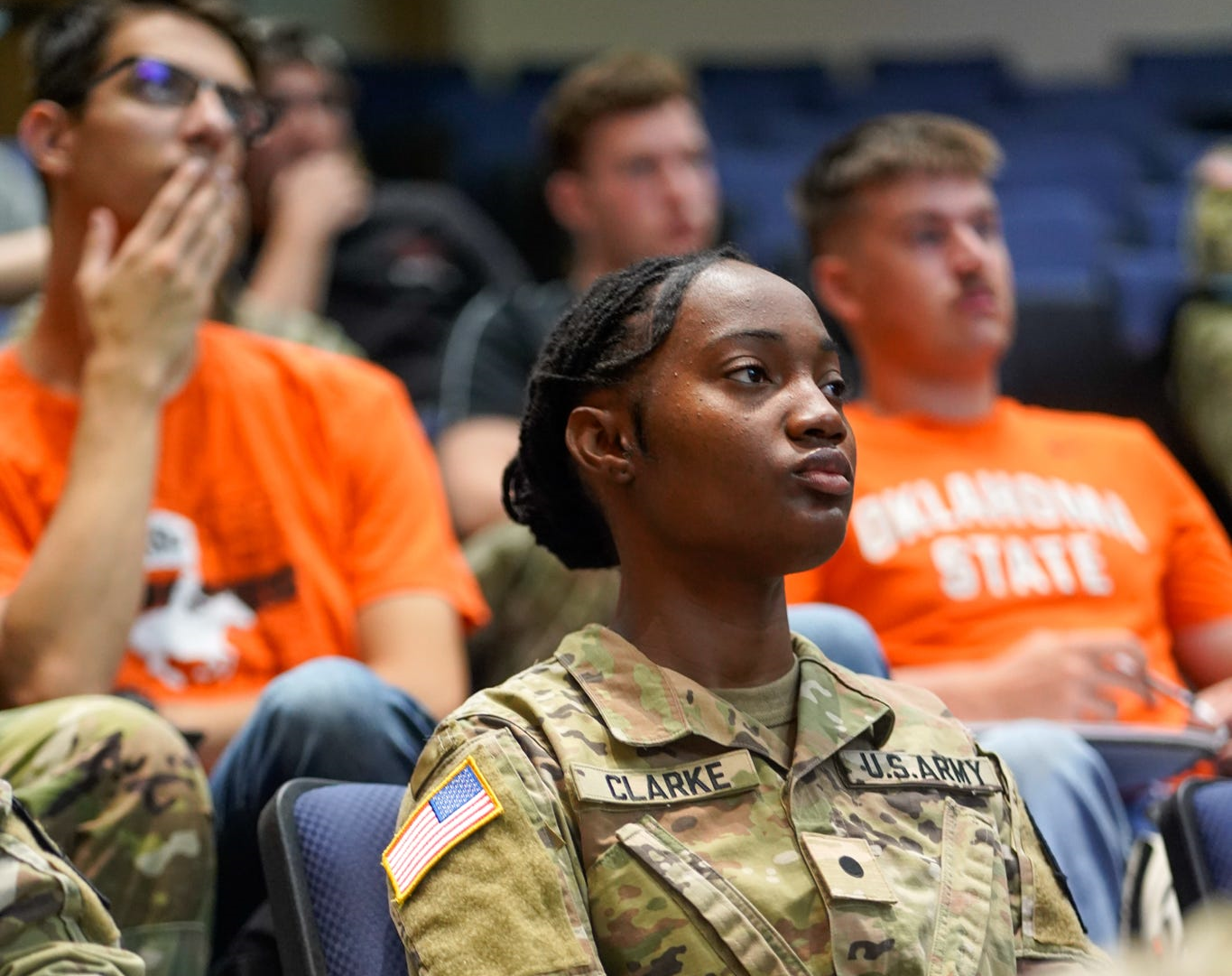
You will have a period of classroom instruction two days a week, on Tuesday and Thursday. You could be learning anything from how to properly lead a platoon through an attack mission to how to properly treat a casualty.
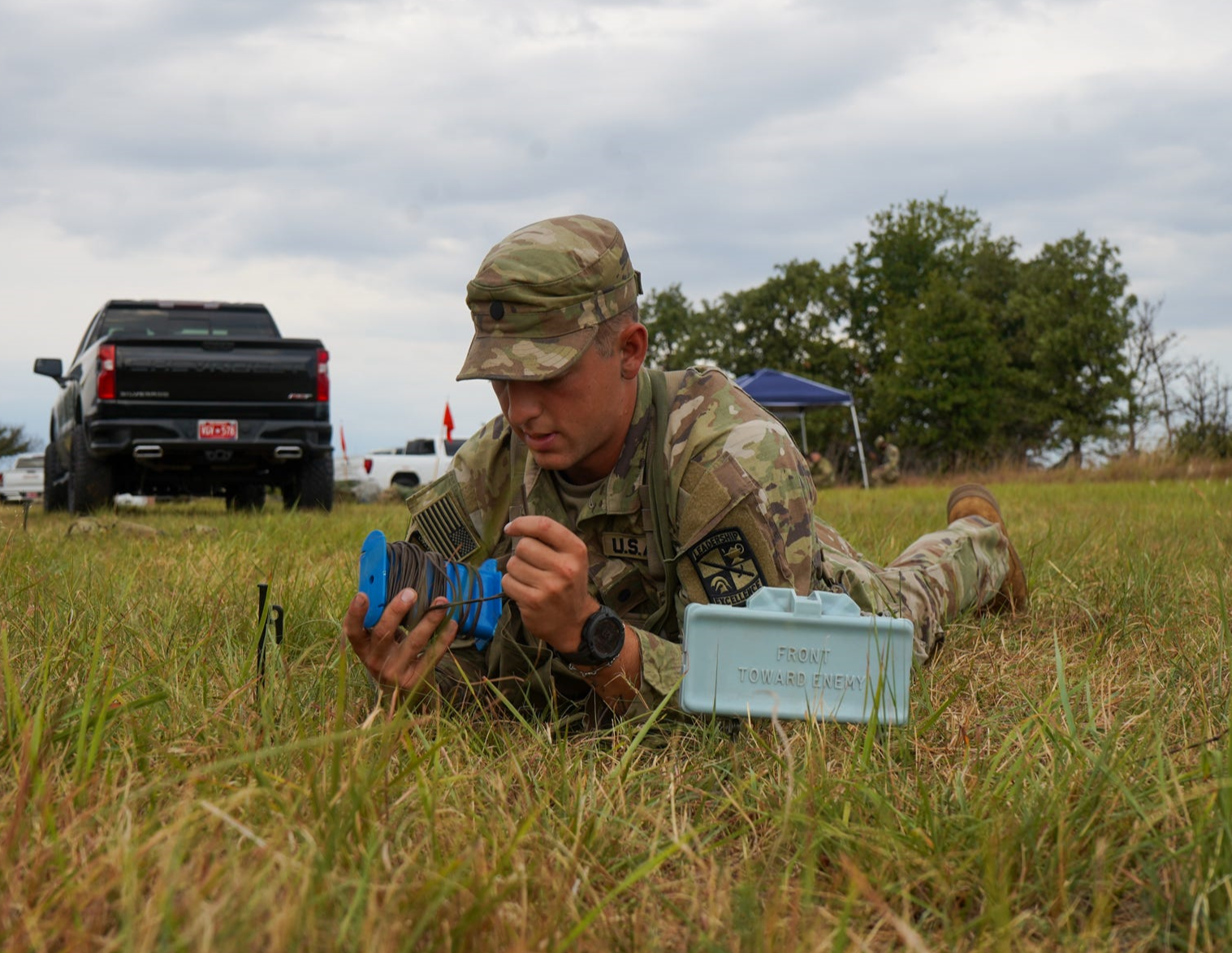
Lab
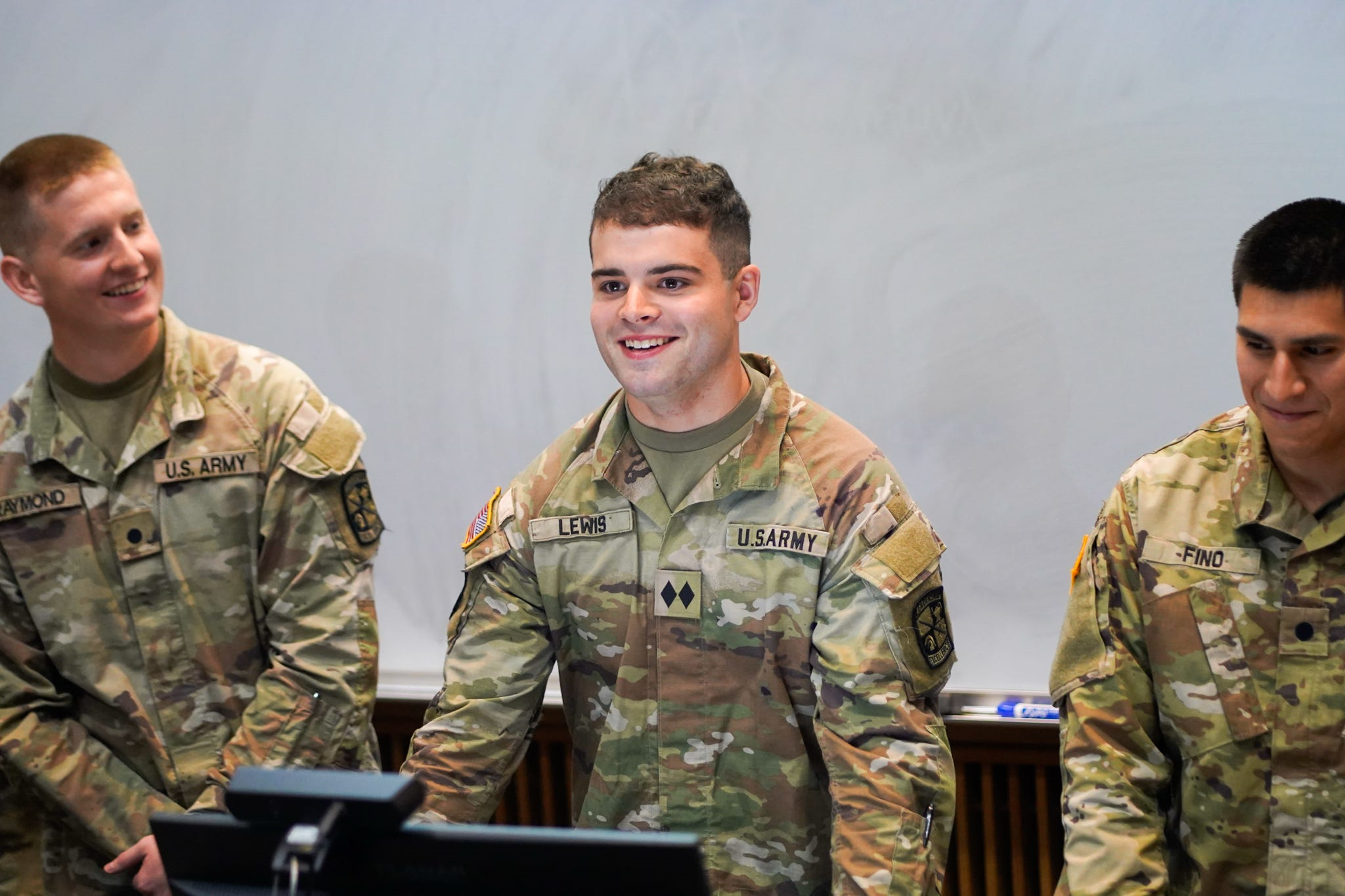
We have our lab training time on Wednesday afternoons from 15:30 - 17:20. This is when we developed Cadets' hands-on training, applying what they learn in the classroom.
Battalion Events

Gameday Operations
Be a part of one of our three crews during gameday! Do push-ups on the push-up board in the end zone, help pull the nets up when there is a field goal, or shoot our cannon on top of the stadium!
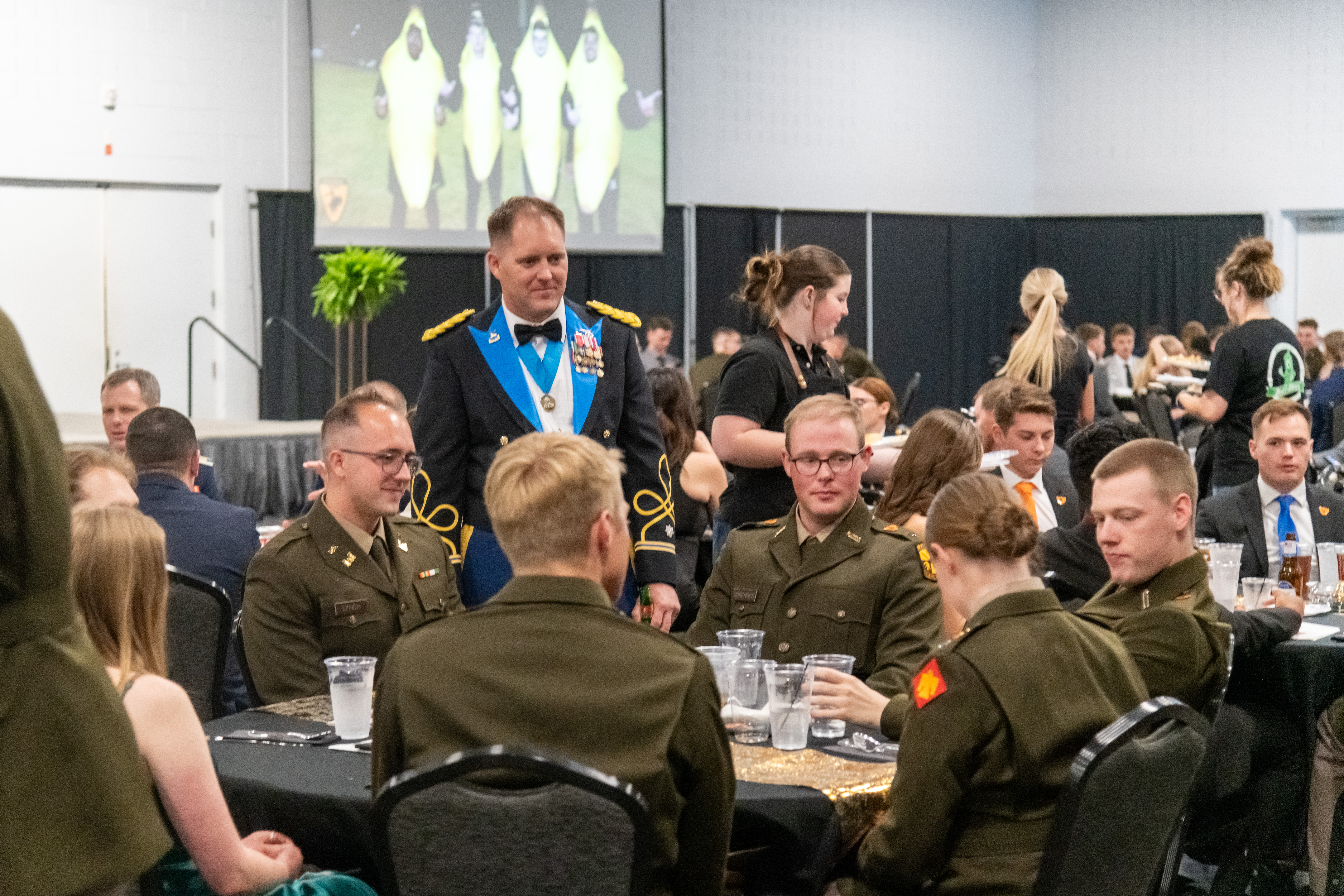
Military Ball
Wrap up the semester by attending our military ball. Enjoy dinner and a look back at the semester while socializing as a battalion.
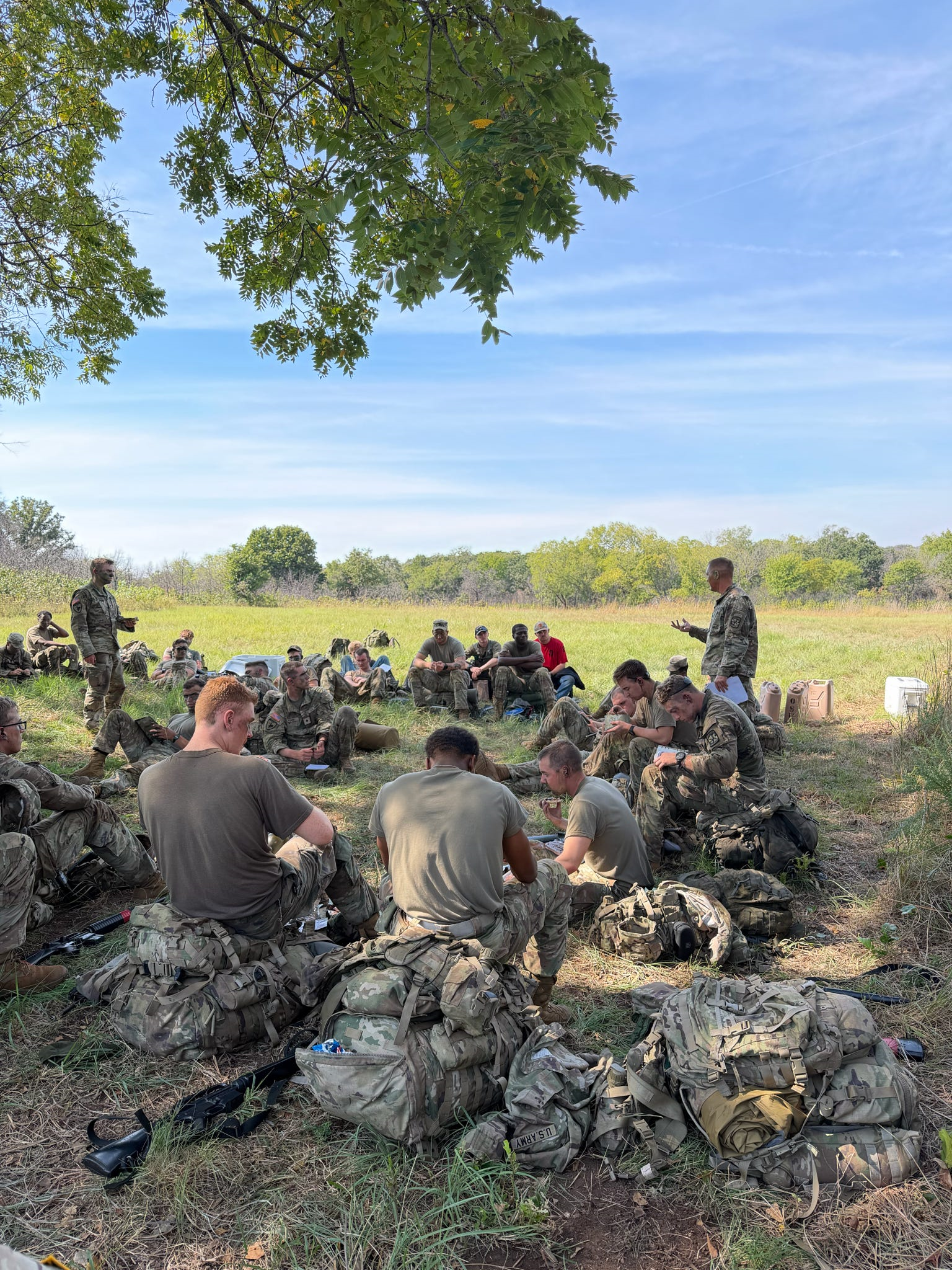
Field Training Exercises
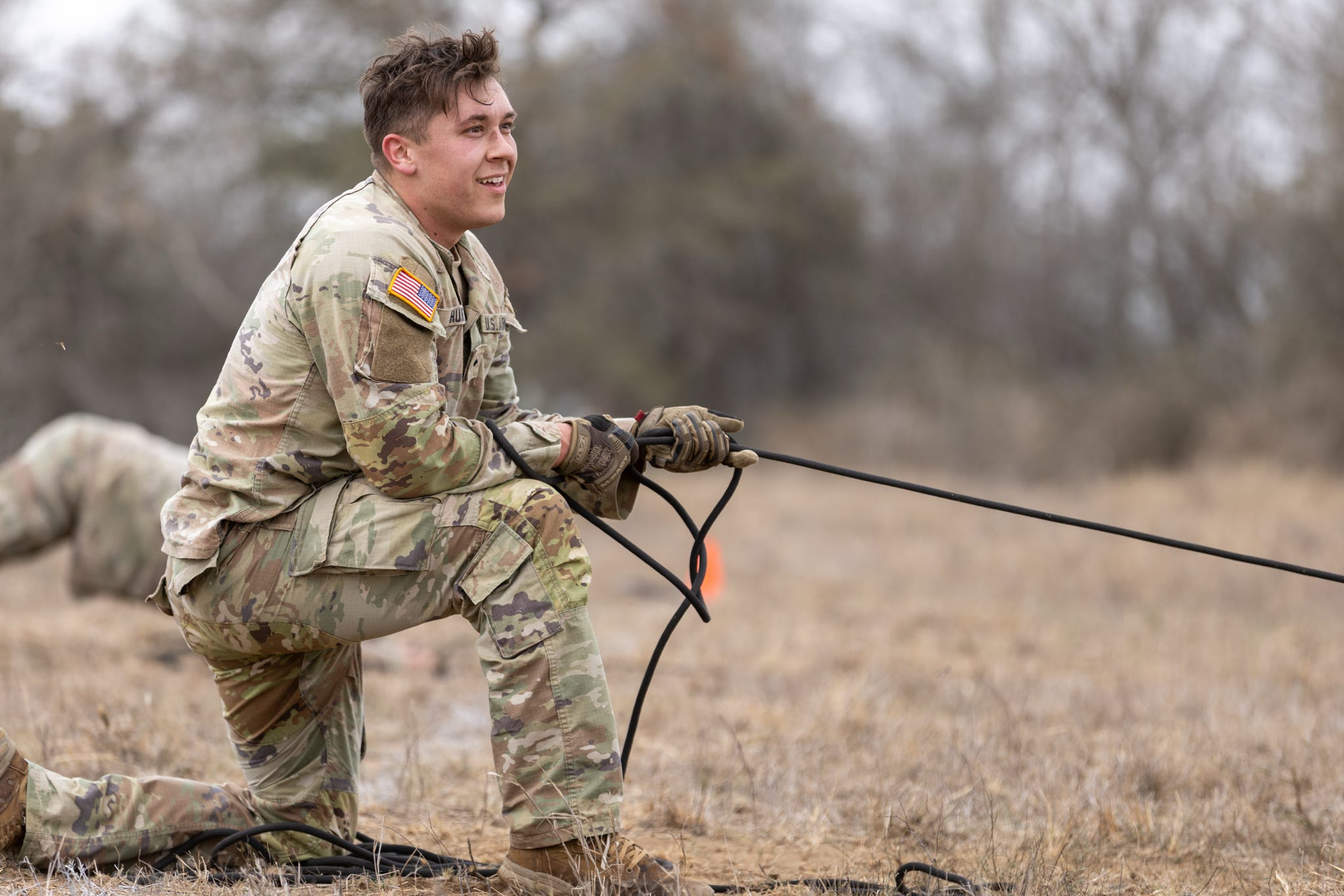
We apply skills learned throughout the semester when we spend a weekend in the field. This FTX weekend is filled with land navigation, the obstacle course and rappel tower, and more!
Extra-Curricular Programs
Take advantage of all ROTC has to offer!
- ROTC Clubs—Color Guard, Ranger Challenge, Military Science Club
- Home Football Game Day—Push-Up Board, Pack-Howitzer Cannon Crew
- Summer Training Opportunities—Professional internships, airborne, air assault, combat survival, mountain warfare and cadet troop leadership training.
- CLIP-B is an incentive program for contracted cadets to become proficient in DOD designated critical languages. Cadets can earn the CLIP Bonus by earning a grade of B or better in college strategic language courses or associated cultural studies. Earn up to $3,000 per academic year!
- Project GO (Global Officers) is a collaborative initiative that promotes critical language education, study abroad and intercultural dialogue opportunities for ROTC students. Project GO programs focus exclusively on the languages and countries of the Middle East, Asia, Central Asia and Africa.
ROTC Resources