

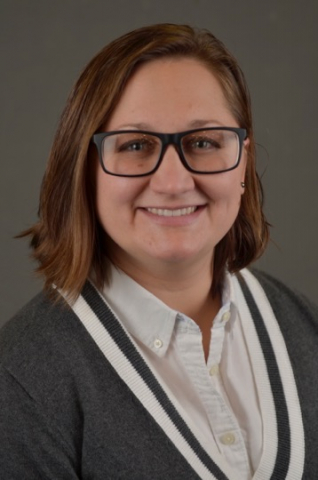
Ashley Burkett
Dr. Ashley M. Burkett
Ph.D. Spatial & Earth Sciences. Indiana State University. May 2015. “The Ecology, Biogeochemistry, and Phylogeny of Methane Seep and Non-seep Benthic Foraminifera from the Pacific Margin”M.S. Earth & Quaternary Systems. Indiana State University. May 2011. “Comparisons of distributions and isotopic geochemistry of benthic foraminifera from seep and non-seep environments, offshore of Costa Rica”B.S. Geology; Environmental Science; Minor in Biology. Muskingum University. May 2008.
Involvement at OSU
- OPENOKstate Fellow
- OSU Arts and Sciences Faculty Spotlight article!
- Avid fan of the Faculty Reads Education and Diversity series!
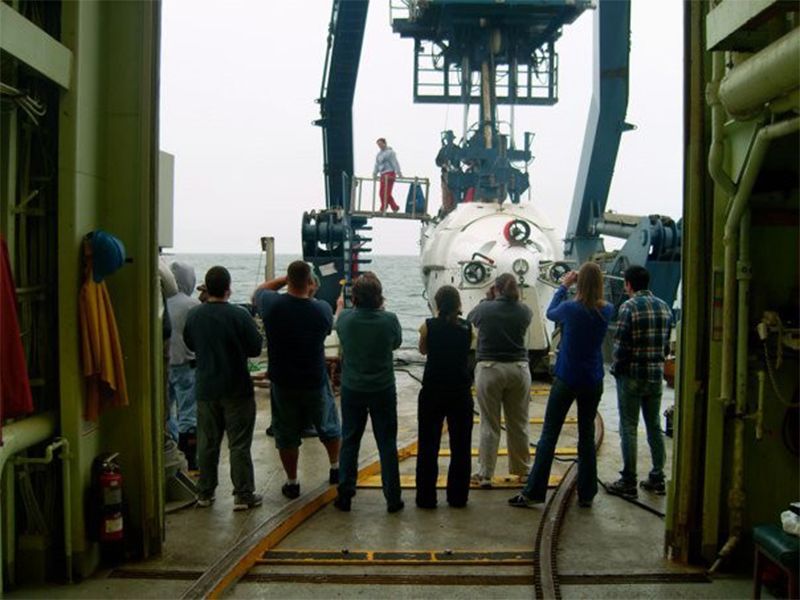
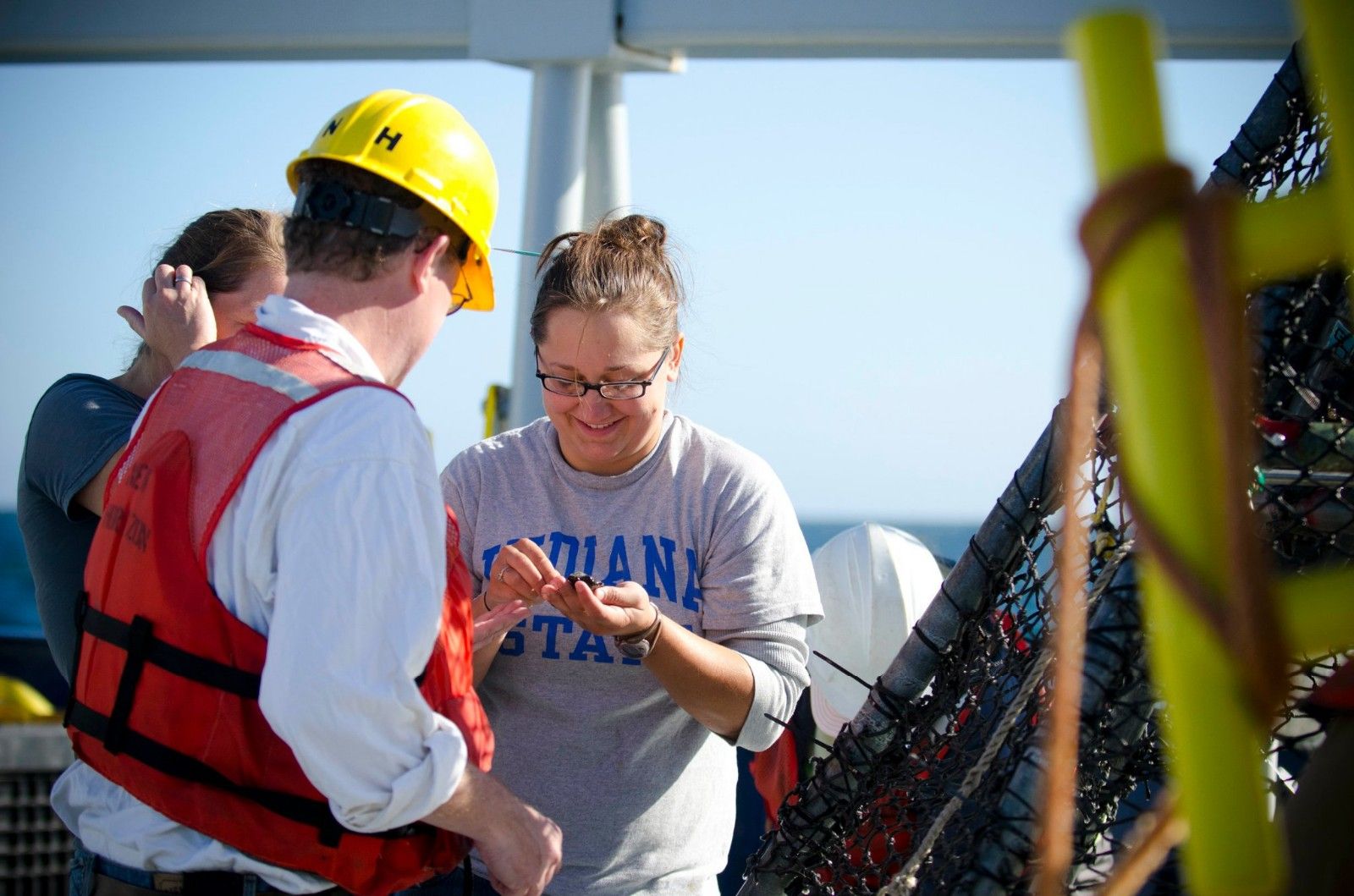
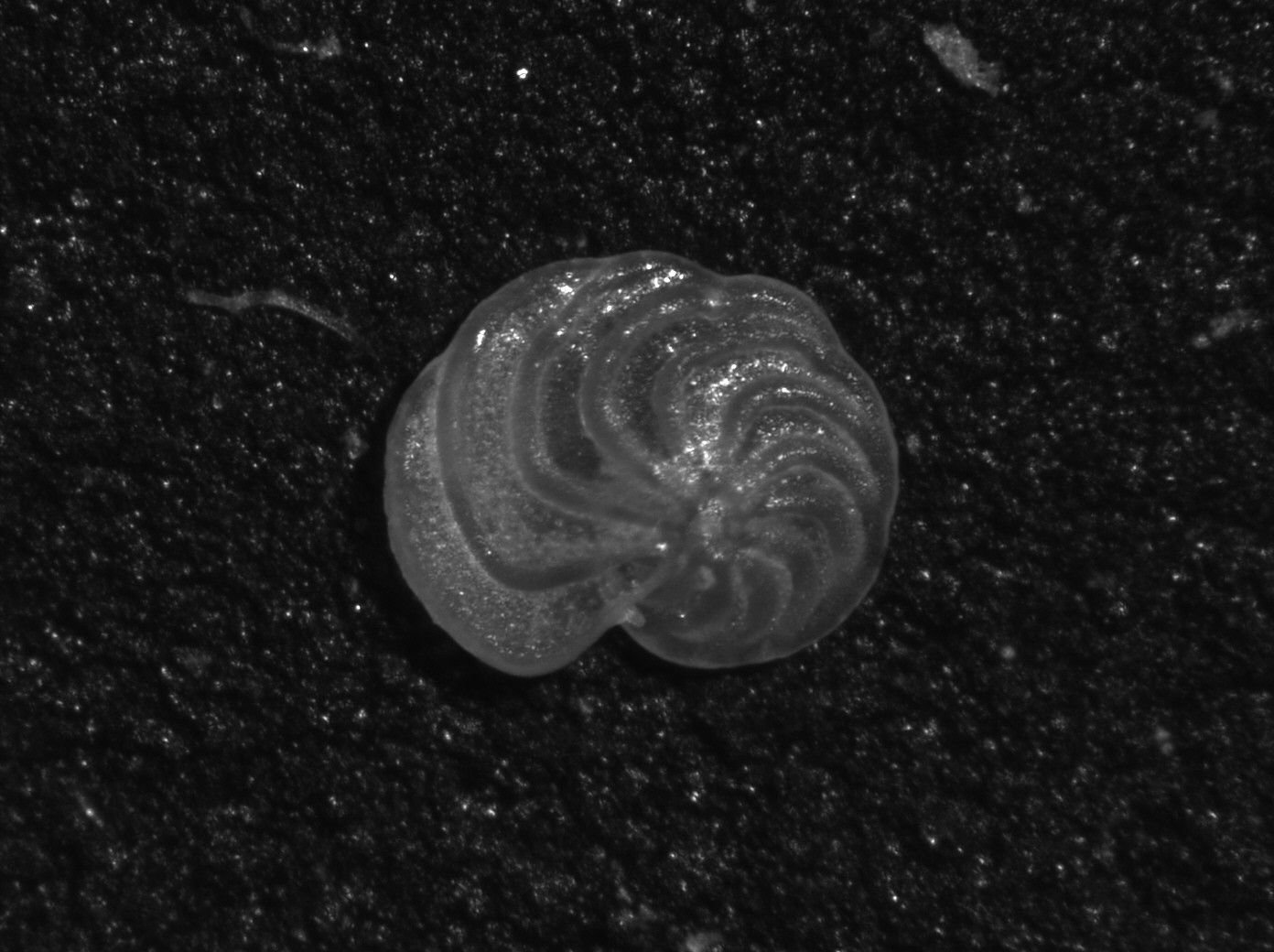
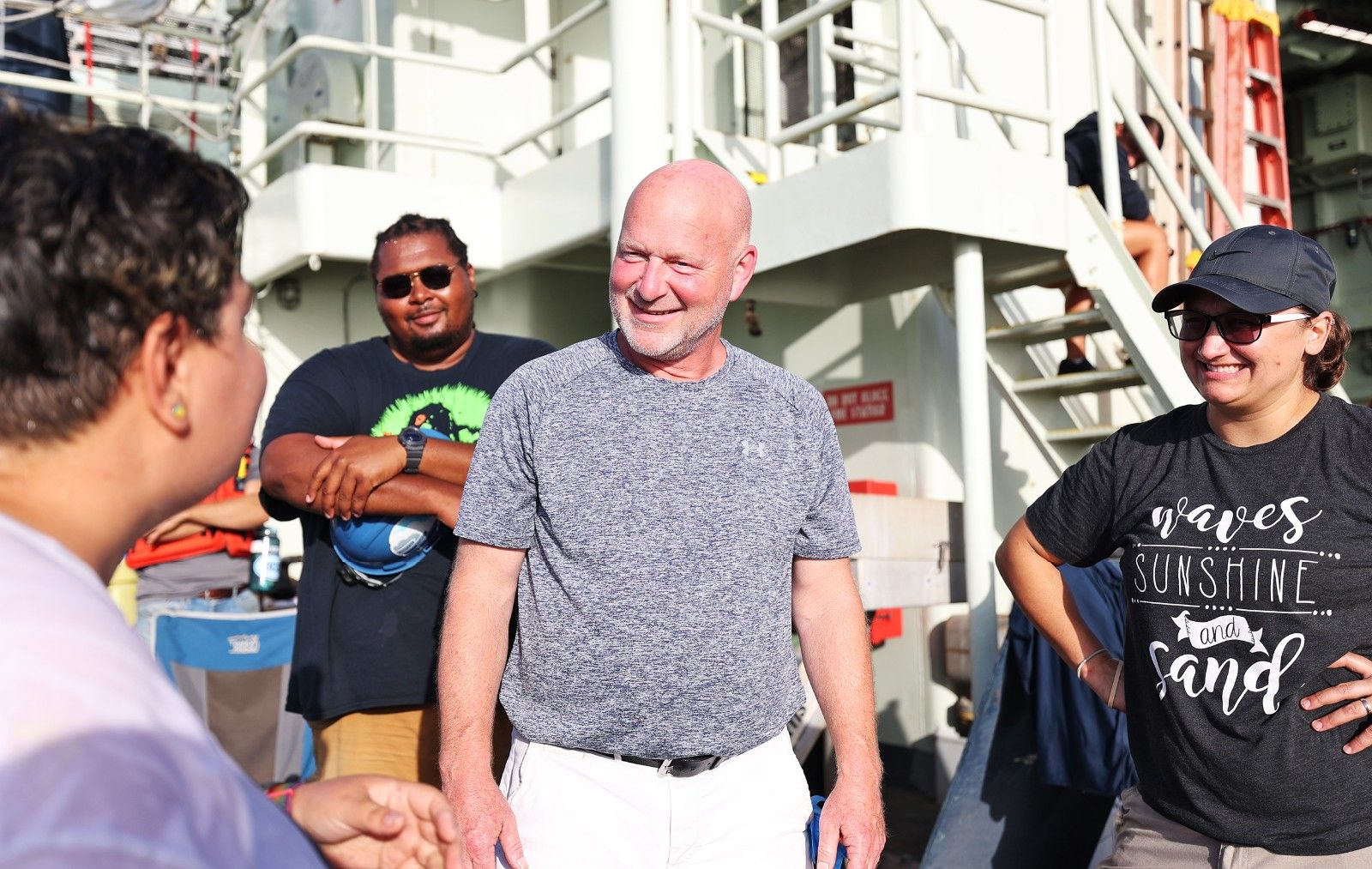
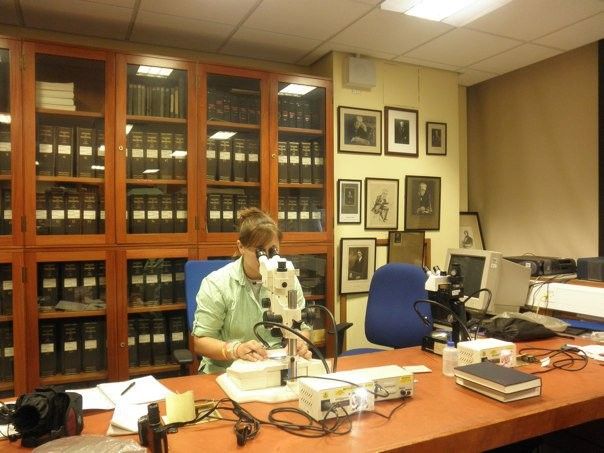
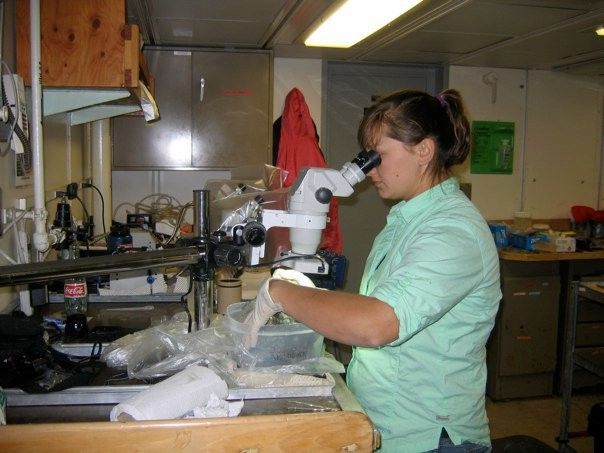
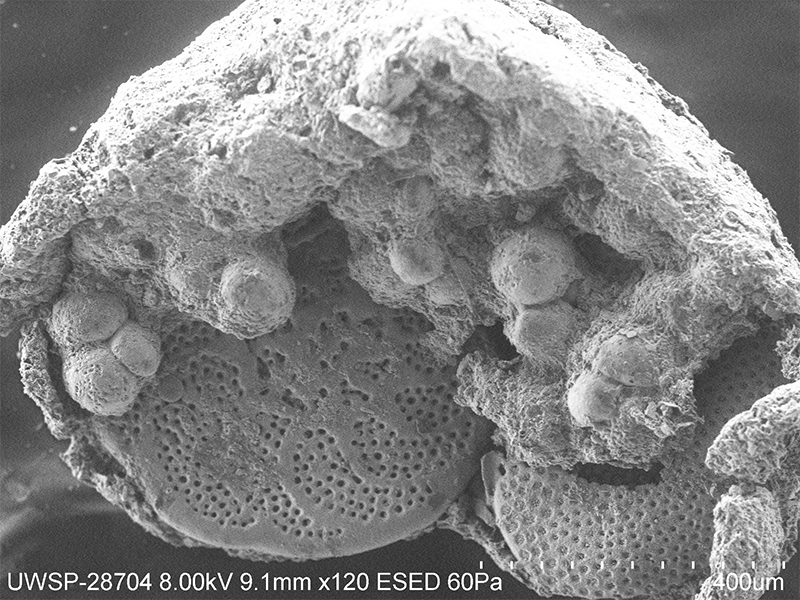
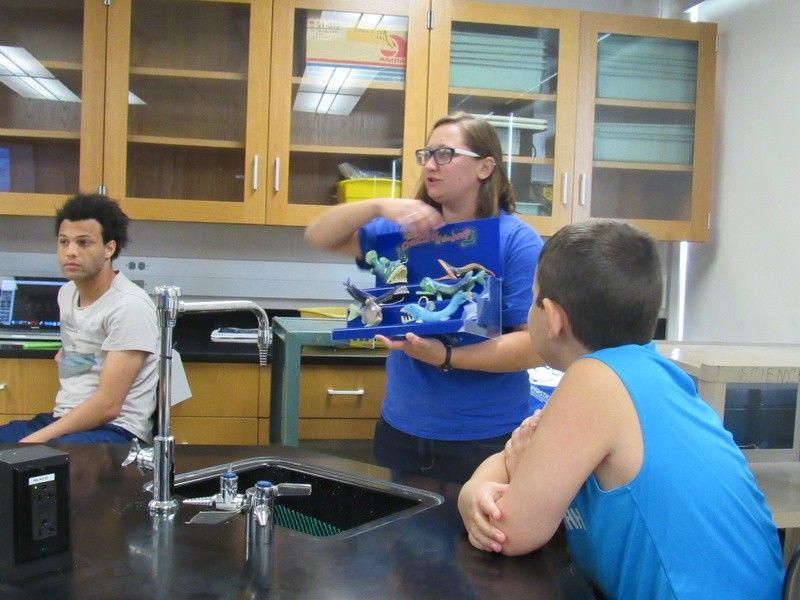
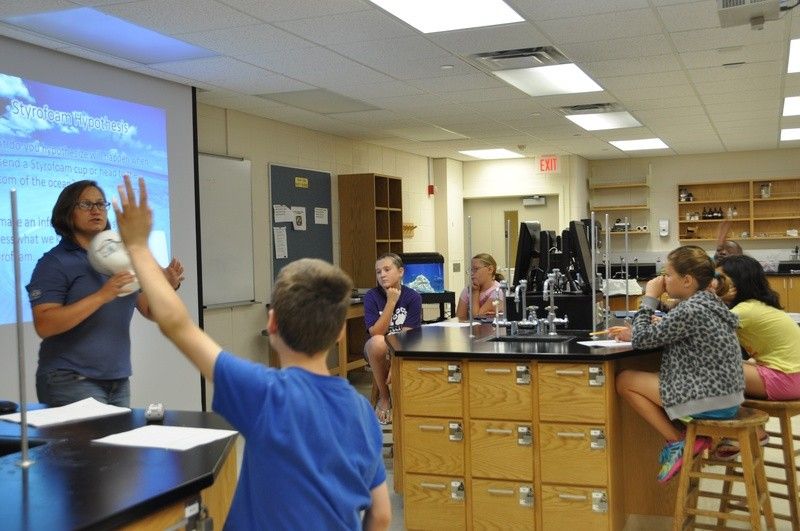
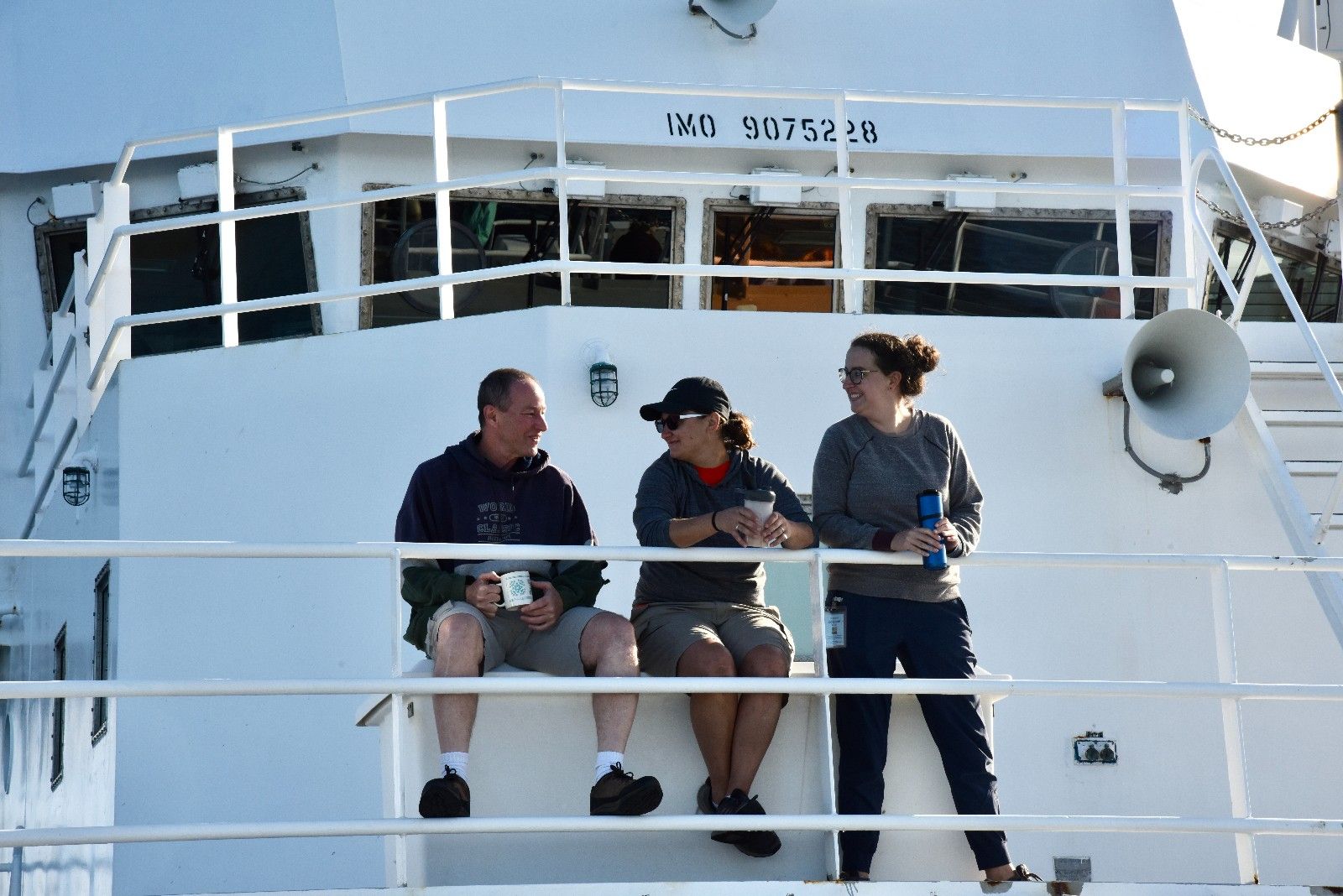
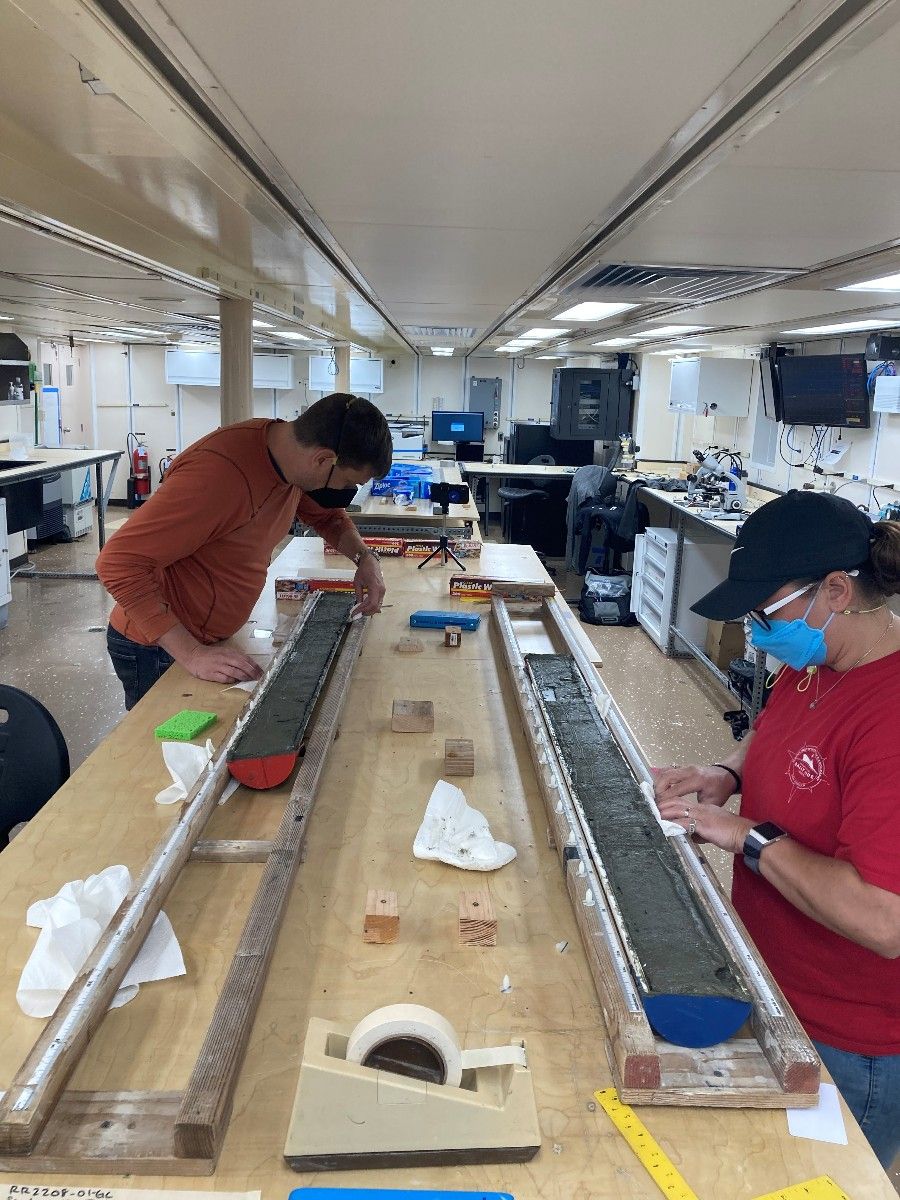
Burkett Lab Gallery Our lab is the world!
Primary Research Topics
MicroCT imaging- My interests in MicroCT technology revolve around my expertise as a micropaleontologist. I’m interested in using MicroCT scanning in my work on modern analogs to develop a paleooxygen proxy to better interpret, and ideally even quantify, oxygen availability in the oceans of the Earth’s past. I am also interested in using MicroCT scanning technology to better understand several unknown mechanisms of foraminifera lifespan, mobility, and reproduction. Finally, I am very excited about the prospects of microfossil reconstructions when applied to machine learning. Some of our 3D models can be found on sketchfab.com/OSUDr.B
Low oxygen and high organic environments- I am interested in the development of proxies to determine oxygen availability and assess the quality and extent of organic carbon in past marine environments. I am interested in looking at microfossil records in low oxygen/high organic carbon environments to assess ecologic and morphologic shifts (visible via SEM and MicroCT) indicative of changes in oxygen/carbon and coupling these records with sediment and biogeochemistry to explore, generate and refine geochemical and foraminiferal morphologic methods for quantifying oxygen/organic carbon availability.
Microfossil biogeochemistry- Marine microfossils can serve as a geochemical archive of the environments in which they formed their skeletal structures. I am interested in using precise analytical equipment such as Laser Ablation and Secondary Ion Mass Spectrometry to assess biogeochemical records (d18O, d 13C and a variety of trace elements). In addition to low oxygen environments, I am also especially interested in using these approaches to assess the origin, location, and timing of methane seepage.
Biostratigraphy and Basin Analysis- Microfossils are an excellent biostratigraphic tool that and can also provide valuable information about environmental conditions (e.g., water depth, temperature, etc.) during deposition.
Publications
2020. Burkett, A.M., Rathburn, A.E., Pratt, R.B., Holzmann. Insights into the Ecology of Epibenthic Calcareous Foraminifera from a Colonization Study at 4100m (Station M) in the NE Pacific Ocean.Deep Sea Research Part II: Topical Studies in Oceanography, 173, 104709.
2020. Wanyi L., Rickaby, R.E.M., Hoogakker, B.A.A., Rathburn, A.E., Burkett, A.M., Dickson, A.J., Martínez-Méndez, G., Hillenbrand, C.D., Zhou, X., Thomas, E., Lu, Z. I/Ca in epifaunal benthic foraminifera: a semi-quantitative proxy for bottom water oxygen used in a multi-proxy compilation for glacial ocean deoxygenation. Earth and Planetary Science Letters, 533, 116055.
2018. Venturelli, R.A., Rathburn, A.E., Burkett, A.M., Ziebis, W., Corliss, B.H. Epifaunal foraminifera in an Infaunal World: Insights into the influence of Heterogeneity on the Benthic Ecology of Oxygen-Poor, Deep-Sea Habitats. Frontiers in Marine Science.
2018. Rathburn, A.E., Willingham, J., Ziebis, W., Burkett, A.M., Corliss, B.H. A biological proxy for paleo-oxygen levels in deep-sea bottom waters: Pores of epifaunal deep-sea benthic foraminifera.Scientific Reports (Nature).
2018. Burkett, A.M., Rathburn, A.E., Pérez, M.E., Martin, J., Levin, L. A., Influences of thermal and fluid characteristics of methane and hydrothermal seeps on the stable oxygen isotopes of living benthic foraminifera. Marine and Petroleum Geology.
2016. Burkett, A.M., Rathburn, A.E., Pérez, M.E., Martin, J., Levin, L.A. Colonization of over a thousand Cibicidoides wuellerstorfi (foraminifera; Schwager, 1866) on artificial substrates in seep and adjacent off-seep locations in dysoxic, deep-sea environments. Deep-Sea Research I: Oceanographic Research Papers ,117: 39-50.
2015. Burkett, A.M., Rathburn, A.E., Pérez, M.E., Martin, J., Levin, L.A., Cha, H., Rouse, G.W. Phylogenetic placement of epibenthic foraminifera Cibicidoides wuellerstorfi (Schwager, 1886) from methane seeps and non-seeps habitats on the Pacific margin. Geobiology. DOI: 10.1111/gbi.12118
2014. Parsons-Hubbard, K., Hubbard, *D., Tems, C., Burkett, A.M. "The Relationship Between Modern Mollusk Assemblages and Their Expression in Subsurface Sediment in a Carbonate Lagoon, St. Croix, US Virgin Islands." Approaches to Understanding Fossil Organisms. Springer Science & Business Media Dordrecht.
2013. Harris, R.N., Sakaguchi, A., Petronotis, K., Baxter, A.T., Berg, R., Burkett, A.M., and others. "Expedition 344 summary." IODP| Volume. Vol.
344.
2013. Harris, R.N., Sakaguchi, A., Petronotis, K., Baxter, A.T., Berg, R., Burkett, A.M., and others. "Input Site U1414." IODP| Volume. Vol. 344.
2013. Harris, R.N., Sakaguchi, A., Petronotis, K., Baxter, A.T., Berg, R., Burkett, A.M., and others. "Input Site U1381." IODP| Volume. Vol. 344.
2013.
2013. Harris, R.N., Sakaguchi, A., Petronotis, K., Baxter, A.T., Berg, R., Burkett, A.M., and others.. "Frontal prism Site U1412." IODP| Volume. Vol. 344.
Teaching
I am a teacher who is passionate about having students participate in a variety of engaging and hands-on learning activities. I have taught Introductory Geology courses at three Universities and teach the following at OSU. In 2021 I recieved the College of Arts and Sciences Excellence in Undergraduate Teaching Award.
- GEOL 1003: The Story of Dinosaurs (non-major, no-science pre-req Undergraduates) This course is targeted at fostering and facilitating critical thinking and scientific literacy through the exploration of Dinosaur research and interpretations.
- GEOL 1224: Evolution of the Earth (for Undergraduate Students)
- GEOL 3103 Paleontology (for Undergraduate Students)
- GEOL 5183: Paleontology of Depositional Sequences (for Graduate Students)
News and Events
-
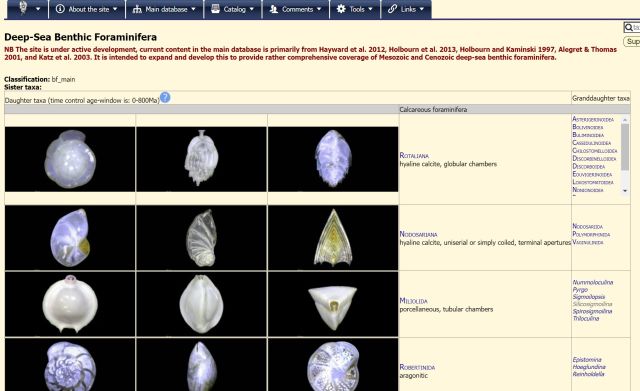
bforams@mikrotax is Live!
Dr. Burkett and her students have been involved in the creation of an online database for benthic foraminifera identification. Check out this amazing tool here and email Dr. B if you are interested in getting involved!
-
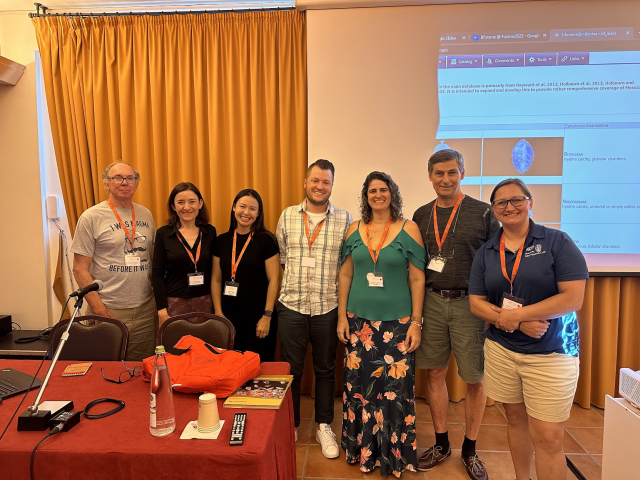
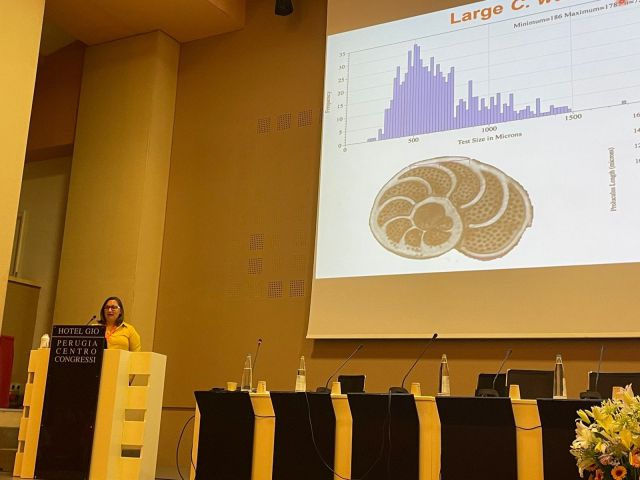
Ford and Burkett at FORAMS2023
Trenity Ford, PhD student, and Dr. Burkett bpth presented at the FORAMS2023 meeting in Perugia, Italy this summer
-
GSA Southcentral at OSU in 2023
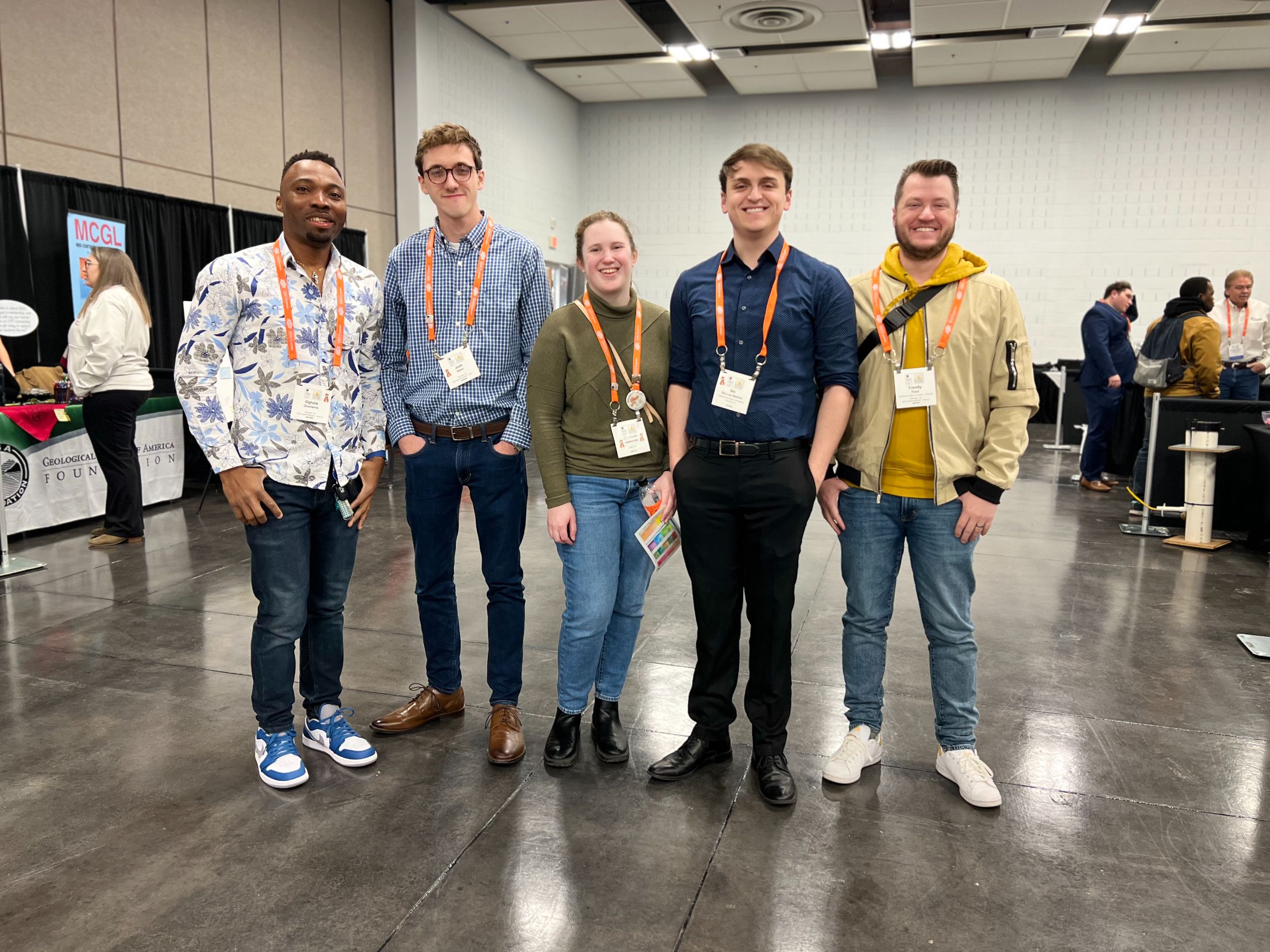
Three undergrads took home Outstanding Student Presentation awards! Check out the NINE abstracts and award winners here: Southcentral GSA 2023
-
Student at Sea!
PhD Candidate, Trenity Ford, will be at sea for 14 days! Follow his journey here.
-
Research on Tap
Dr. B will be participating Research on Tap at the Iron Munk Brewery in October. If you want to attend check this pagefor updates.
-
MARSSAM PI Cruise
-
Alvin Cruise
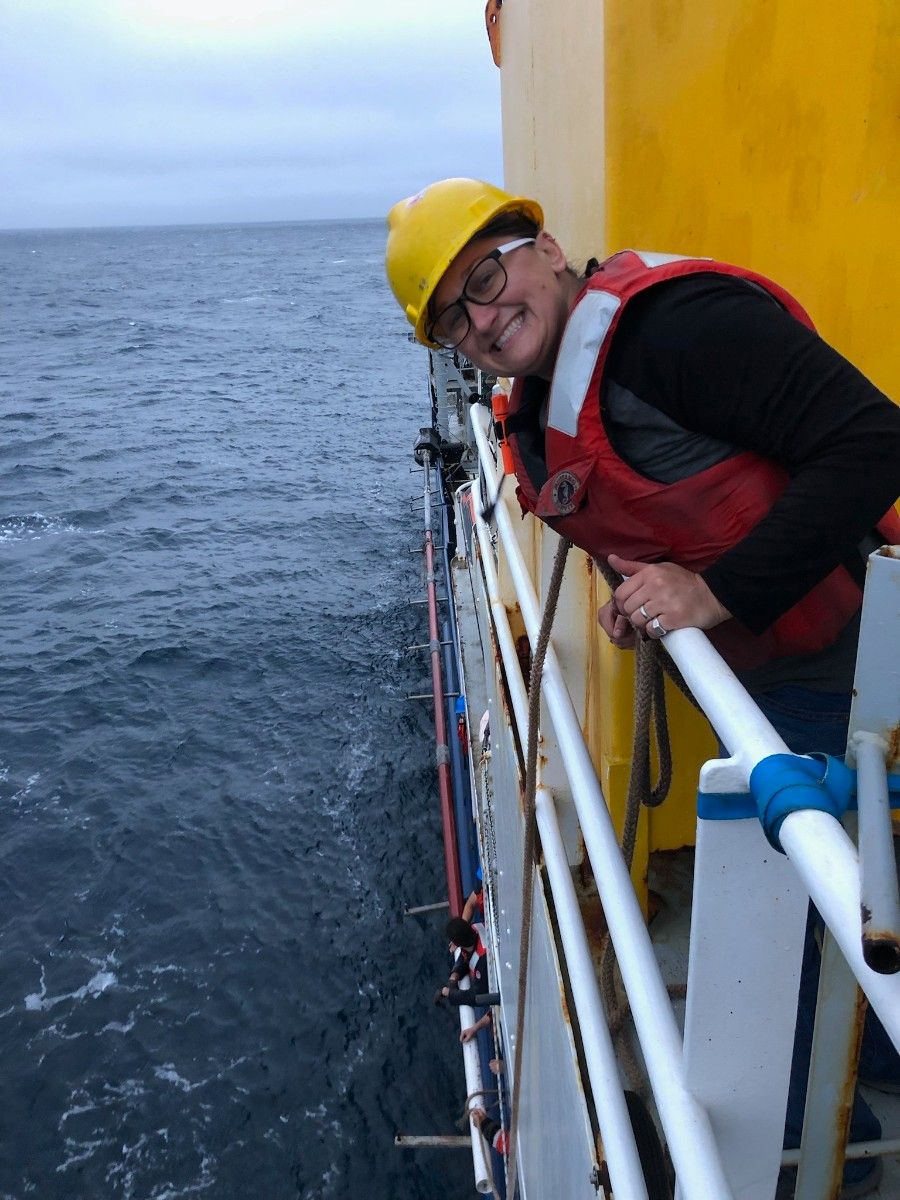
What a busy summer! In addition to the normal travel with family, Dr. B went on an expedition verifying the scientific abilities of the deep-sea submersible ALVIN in the Puerto Rico Trench. Check out the blog about these adventures here.
-
September 15th Seminar
Dr. Ashley Burkett will be presenting at the Boone Pickens School of Geology Seminar on September 15th from 1:30-2:45 in NRC207. Please feel free to attend there or on Zoom!
-
Podcasts
Check out the podcast Dr. Tessin and I did about our time on the Joides Resolution! https://bit.ly/sciodstorycorps
- Publications
Future Students I am always interested in talking to students about potential research project. Please contact me directly to inquire about potential funding opportuinites.
If you are an OSU undergraduate interested in a research or capstone project come to see me in 103C of Noble Research Center as soon as you can. I am interested in having these students explore the dynamics of foraminiferal morphology, ecology, and phylogeny to develop key proxies essential to the interpretations of past oxygen availability.
Book Your Appointment