Current Projects
Current Research Projects
- Precocial sexual selection in collared lizards
Differences promoted by sexual selection, e.g., sexual dimorphism and sex differences in behavior, arise usually at the time individuals become sexually mature. However, there is no logical reason to suspect that sex differences in morphology, color, or behavior cannot develop before puberty, influence social interactions before puberty, and then have adaptive significance later in life, realized as increased reproductive success, i.e., precocial sexual selection.
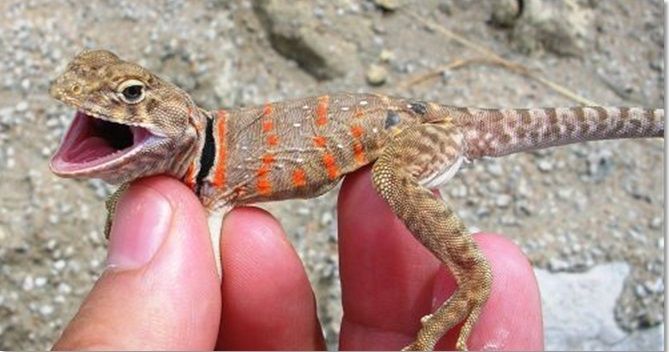
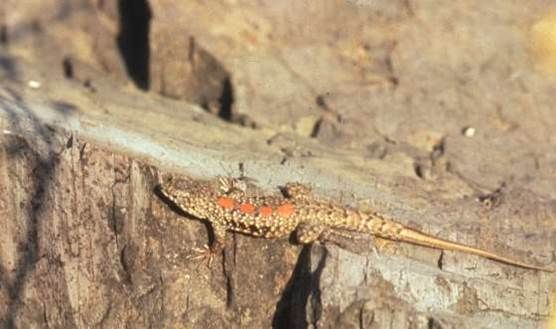
One such apparent case is seen in the collared lizard (Crotaphytus collaris), in which hatchling males develop individually variable conspicuous lateral orange bars (hatchling orange bars, HOB) in the fall months before sexual maturation and gradually lose them as they gain reproductive maturity the next spring. Adults are sexually dimorphic and dichromatic, but in other traits. Hatchling males establishing territories use the HOB to distinguish the sexes and then treat males more aggressively than females. The aggression toward other hatchling males serves to repel them spatially such that competition with them as sexual rivals for females the next spring is reduced; and the non-aggressive treatment of females initiates social bonding that extends to the next spring and beyond and gives that male a subsequent mating advantage. We are studying this apparent precocial sexual selection in C. collaris over multiple breeding seasons. We determine if early pair bonding with hatchling females and aggression toward hatchling male rivals occur in sexually immature male hatchlings. We compare HOB, androgens, aggression, space use, and consorting behavior of male subjects in the field when they are hatchlings and subsequently appraise their space use, consorting behavior, and genetic fitness when they are yearlings and adults.
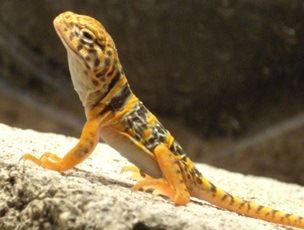
We employ DNA analysis to quantify fitness and determine if hatchling males with more developed HOB ultimately sire more offspring than those with less developed HOB, and do so with the females with whom they interacted as hatchlings. Finally, we assess the cost of HOB through comparison of survivorship, growth, feeding rates, and immune response of males with varying development of HOB, attack frequencies of clay lizard models with and without HOB, and perceived conspicuousness to predators of hatchlings with and without HOB in their natural spectral background.
- The Ringed Salamander in Oklahoma
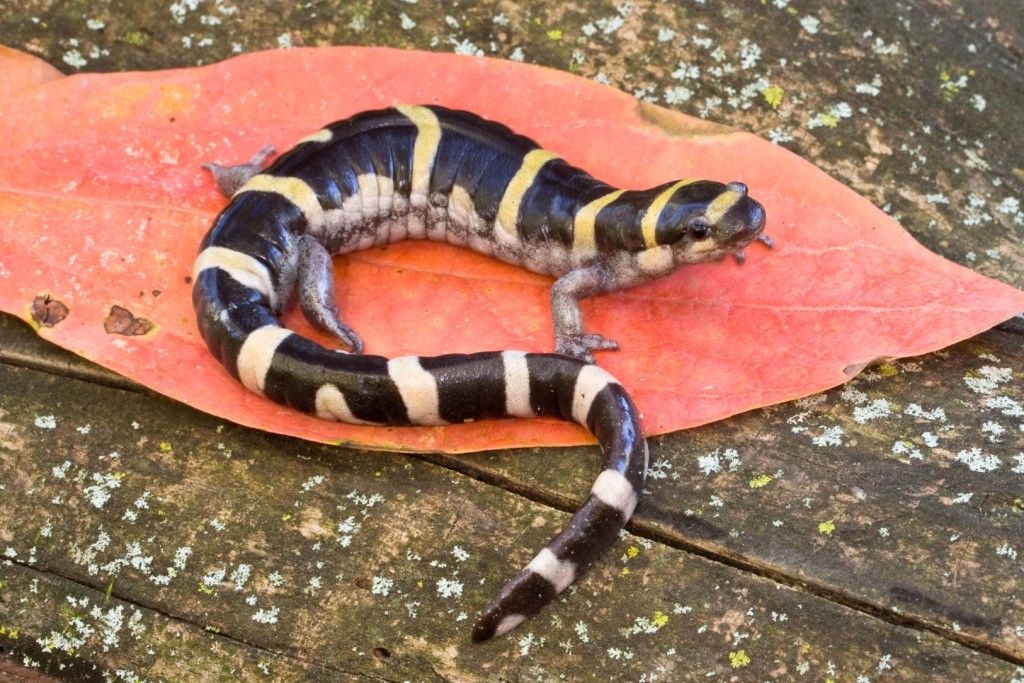
The Ringed Salamander (Ambystoma annulatum) is a strikingly colored salamander that is mostly cryptic and underground most of the year, but emerges to breeden masseepisodically after rains in the fall. Breeding aggregations can be huge and impressive. It lives in the Central Highlands of Arkansas, Missouri, and Oklahoma, although little is known of itsgeographical distribution, abundance, and natural historyin Oklahoma. Under funding from the Oklahoma Department of Wildlife Conservation, we are conducting a five-year study aimed at documenting distribution, habitat affiliation, and abundance ofA. annulatumin the Ozark and Ouachita Mountains of eastern Oklahoma, and are currently in the fourth year of the project. We are also testing the feasibility of using a photographic method for mark-recapture analyses in lieu of more intrusive marking techniques. We will survey sites at and near upland, fishless ponds by visual terrestrial and aquatic sampling, monitoring of drift fences and pitfall traps, and nocturnal road cruising. The PI's on this project are Drs. Stanley Fox andElisa Cabrera-Guzmán.
- Group living and parental care in a high-elevation Chilean lizard
Group living is relatively common in animals and individuals in groups obtain benefits like enhanced feeding success and lowered predation risk. The assumption of “lack” of sociality in reptiles has been challenged lately and complex social systems have been recently documented in various lizard taxa. We study Liolaemus leopardinus, whichlives at high-elevations, is viviparous, and is endemic to the central Chilean Andes. The social structure of this population appears to be family groups embedded within a larger colonial group.The speciesis long-lived (~10 y), not common for a medium-sized lizard. Its long life coincides well with the species’ slow growth, low metabolism, and long periods of inactivity, intermittent reproduction, non-aggressiveness, and small litter size. Most important, long life allows the formation of stable social groups among cohabiting conspecifics.
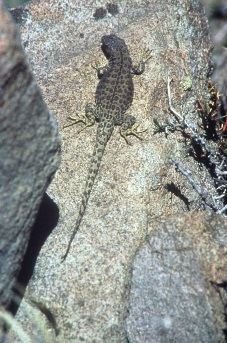
Parental care is present and neonates may also receive care from other related and unrelated individuals, who form large social groups. The social groups seem mainly to serve the purpose of increased vigilance and protection from abundant avian predators; small neonates are very susceptible. Neonates recognize kin from scent alone, probably as a result of imprinting at a very early age. It is possible that after overwintering by themselves, neonates individually seek out specific chemical cues in the habitat and discriminate among the social groups located in the nearby rocky outcrops. Once the chemical cues of their mothers are identified, neonates join kin groups.
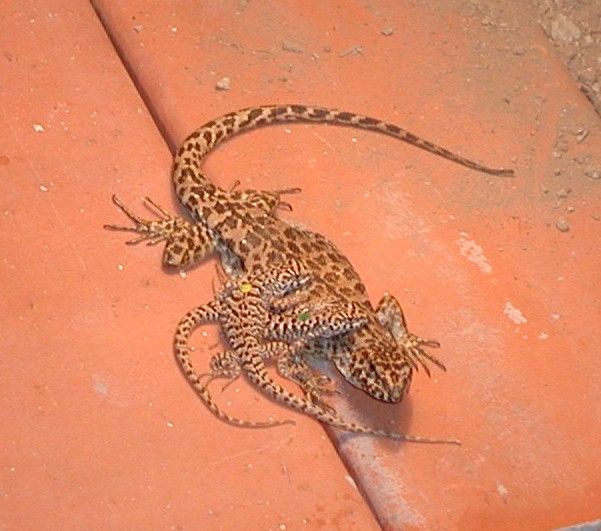
- Sexually different costs of tail autotomy in Uta stansburiana
Tail autotomy in lizards can aid in escape from predators, but it comes with associated costs. My lab and I previously showed that loss of tail in Uta stansburiana brought on a fall in social status in both males and females, and that restoring the tail regained social status in females but not males. Females used the tail as a status-signaling badge, but males did not. Likewise there is a sexual difference in the effect of tail loss in the sexes. Males maintain their sprint speed after tail autotomy and females run slower. We induced tail autotomy to half of our study subjects in their natural habitat in West Texas. Tailless females use the tail as a status badge, and make the best of a bad situation. They defend lower quality, suboptimal territories. This leads to less fighting, and tailless females maintain their original territory size and number of overlaps. Males do not have this option, and, as long as they retain their tails, must fight to defend large, diverse territories to attract females and protect them from intruding males. However, without the tail, males are at a disadvantage and lose more of these fights. These tailless males abandon territoriality and adopt a more cryptic, less assertive behavior, and assume an alternate reproductive tactic, that of sneaker.
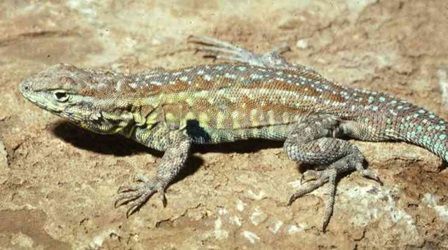
- Temperature-dependent sex determination in Crotaphytus collaris
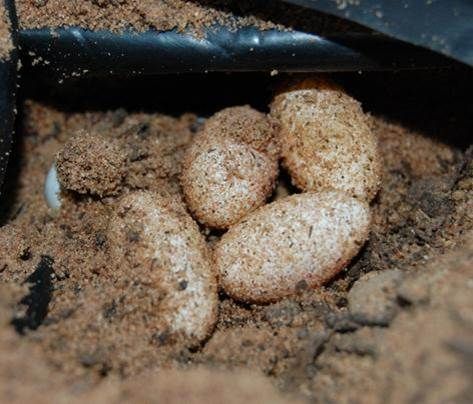
Two modes of sex determination occur in squamates: genotypic sex determination (GSD) and environmental sex determination (ESD). An example of ESD is temperature sex determination (TSD), in which the sex of the hatchling is determined by the incubation temperature of the egg. Collared lizards, Crotaphytus collaris, are oviparous diurnal crotaphytids distributed in the southwestern United States and northern Mexico. The species has been understudied with respect to sex determination, and to date it is not l known with certainty if sex is controlled by TSD or GSD. No sex chromosomes have been identified for the species, but regardless, GSD is considered the mechanism by which sex is determined in C. collaris.
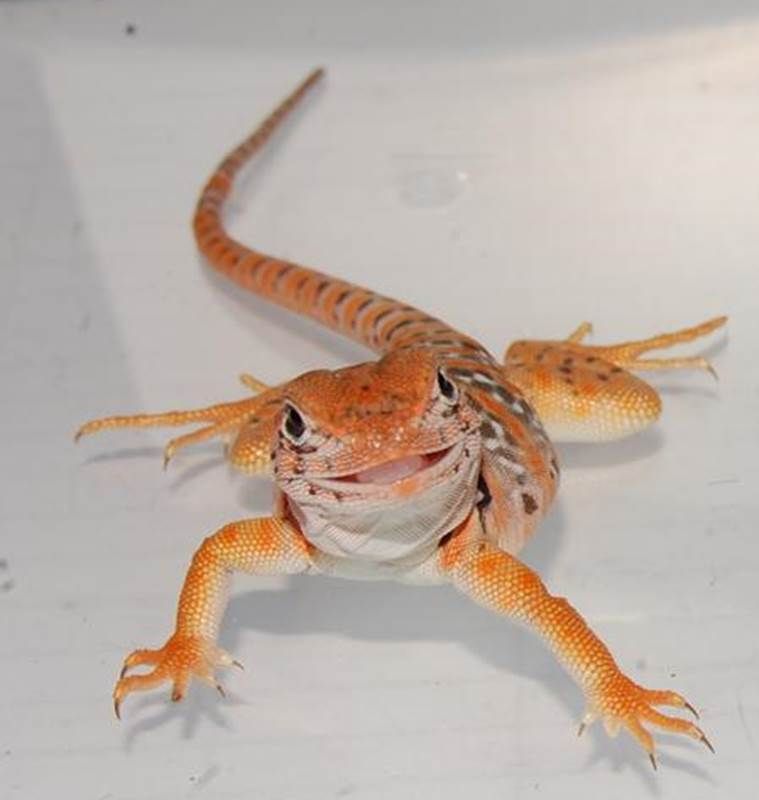
We are conducting trials in which eggs are incubated at different temperatures (21°, 27°, 28°, 30°, 32°, 33.5°, and 35°C). So far we see that temperature influences sex of the hatchling, and within the window of ecologically relevant temperatures, fewer females are produced at cooler temperatures and more females at higher ones. We conclude that C. collaris has TSD. We are also observing that size and body dimensions of hatchlings also are influenced by incubation temperatures.
- Predator escape ecology in Chilean lizards
Lizards have many predators and as a consequence have many adaptations to escape predation. One common and simple one is running from the predator's approach and taking refuge under a rock or other habitat structure. An easy way to measure differences in this escape strategy is for a person to simulate a predator and make a standard approach toward the subject lizard, recording how close the person gets before the lizard takes flight (escape distance) and how far it runs before stopping (flight distance). We are measuring these two variables in seven species of lizards of central Chile along an altitudinal gradient. The seven species vary with respect to body size and longevity, among many other respects. We postulate that longer-lived lizards are less likely to take predation risks than shorter-lived lizards since longer-lived ones have many more opportunities for reproduction.
Short-lived lizards accept greater predation risks because they cannot afford to give up time for other activities. My lab and I found something similar in Uta stansburiana following tail autotomy (Fox and McCoy 2000). We are using toe tips from the largest individuals of each species in museum collections to determine maximum age via skeletochronology, which we will relate to escape variables.
- Threatened turtle communities in eastern Oklahoma
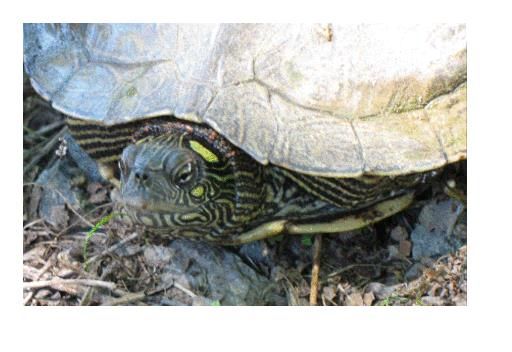
Commercial harvest of most species of freshwater turtles had been allowed in Oklahoma before a temporary moratorium was put into effect in 2008, but the impacts of harvest and general status of freshwater turtles in Oklahoma are poorly understood. We conducted an intensive 2-year survey of the freshwater turtle species of eastern Oklahoma in 2009-2010, resampling 35 sites that were previously surveyed by D. Riedle in 1997-1999 (Riedle et al. 2005), and compared results between these two surveys.
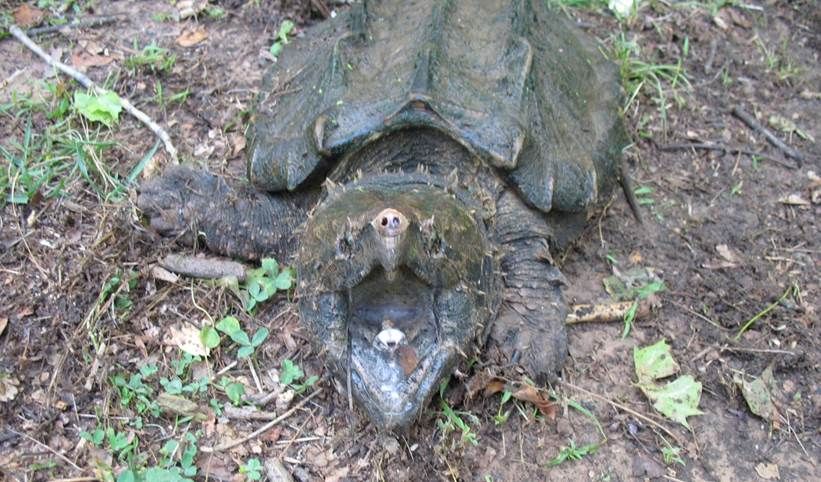
We compared catch per unit effort (CPUE), species richness, and species diversity separately for northeastern and southeastern Oklahoma. We found a significant decrease in CPUE compared to 1997-1999 across both the northeastern and the southeastern sites. We also saw significant declines in species richness and species diversity, but only for northeastern sites. The three most commercially harvested taxa (Trachemys scripta, Apalone spp., and Chelydra serpentina) showed significantly decreased CPUE compared to 1997-1999 at paired sites in the northeast, whereas only T. scripta showed significantly lower CPUE at paired sites in the southeast. Prevalence (number of sites occupied) of C. serpentina in the northeast declined, whereas prevalence of Apalone spp. in the southeast increased. We also compared carapace lengths in 2009-2010 between northeastern and southeastern sites for the three most harvested taxa. Individuals of two of the three species were significantly smaller in the northeast. Commercial turtle harvest in Oklahoma has been heavy. Records of the Oklahom a Department of Wildlife Conservation report that over 800,000 Oklahoma turtles were purchased from commercial collectors in 1994-2010. Overall, it appears that harvest played a role in the decline of aquatic turtle species across eastern Oklahoma since Riedle's surveys in 1997-1999. These declines have been more severe in northeastern than southeastern Oklahoma.